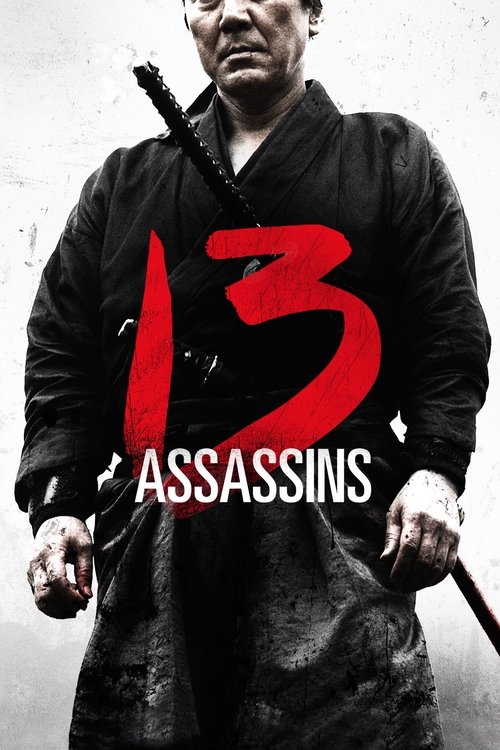
13 Assassins
2010
No user ratings available yet
Representation score: 3.9 out of 10

Representation Score
Minimal
1963
Not RatedDirector
Eiichi Kudō
Runtime
125 minutes
Average Rating
No ratings yetNew Showbiz Analysis
Eiichi Kudō’s masterpiece is a quintessential period drama that prioritizes historical accuracy and the preservation of traditional social hierarchies. The narrative is built on the principles of duty, honor, and rigid class distinctions from the Edo period. While the film provides a compelling study of systemic corruption and the moral implications of vigilantism, it does so through a lens that upholds traditional masculine leadership. The work does not aim to challenge conventional expectations of identity or power. Ultimately, the film delivers a focused, genre-specific exploration of martial ethics and political stability, adhering to the established social structures of its setting.
Category Breakdown
The film focuses on straight relationships and does not include any non-cisgender identities or same-sex intimacy.
The story emphasizes masculine combat and the hierarchical structure of samurai society. Female characters have limited roles and often serve as catalysts for the male-driven conflict.
The cast is ethnically uniform, reflecting the historical context of feudal Japan. It presents a culturally specific and monolithic view of Japanese society.
Themes revolve around the samurai code of honor and duty. The narrative aims to restore social order based on traditional institutions.
There are no prominent depictions of physical or neurodivergent disabilities. Characters are primarily evaluated based on their martial skills and physical abilities.
Present on Screen
Limited or Absent
Official Synopsis
A sadistic Daimyo (feudal lord) rapes a woman and murders both her and her husband, but even when one of his own vassals commits suicide to bring attention to the crime, the matter is quickly hushed up. Not only will there be no punishment, but because the Daimyo is the Shogun's younger brother, he will soon be appointed to a high political position from which he could wreak even more havoc. Convinced that the fate of the Shogunate hangs in the balance, a plot is hatched to assassinate the Daimyo. The two most brilliant strategic minds of their generation find themselves pitted against each other; one is tasked to defend a man he despises, and has a small army at his disposal. The other is given a suicide mission, and has 12 brave men. They are the 13 Assassins.
2010

1964
1960
2003
1967
1980
1964
1962
No reviews yet. Be the first to share your thoughts on this movie!
Use the rating form above to leave a star rating and optional review.