
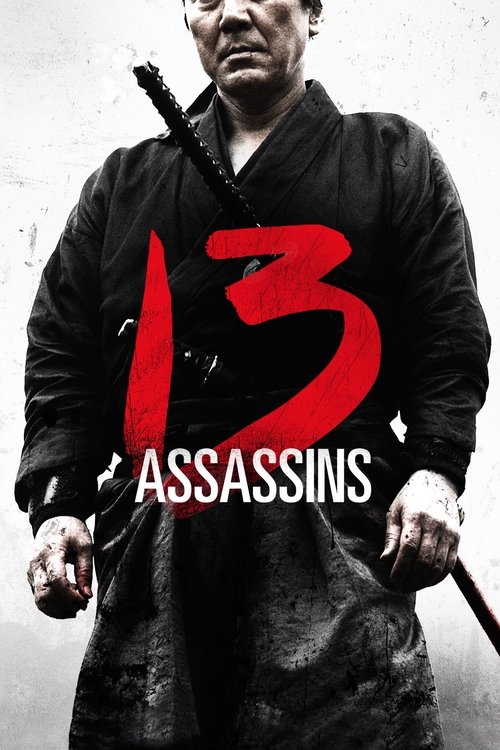
13 Assassins
1963
No user ratings available yet
Representation score: 1.7 out of 10
Representation Score
Limited
2010
RDirector
Takashi Miike
Runtime
141 minutes
Average Rating
No ratings yetNew Showbiz Analysis
13 Assassins is a period piece that prioritizes historical authenticity and class struggle over modern identity-based representation. While it lacks diversity in gender and LGBTQ+ categories, it excels in its cultural critique of systemic corruption. The film's strength lies in its anti-authoritarian narrative. It deconstructs the concept of divine leadership by portraying the ruling class as sociopathic and oppressive, championing organized resistance against tyranny. However, the film remains bound by traditional social structures. The lack of significant roles for female characters and the absence of diverse identity perspectives limit its depth, despite its powerful political themes.
Category Breakdown
The film focuses entirely on the camaraderie among samurai warriors and does not include any LGBTQ+ identities or queer narratives.
Men play the central roles, with samurai serving as the main strategists and fighters. Women are mostly shown as passive subjects or victims of the antagonist's tyranny.
The cast is ethnically uniform, reflecting the 1844 Japanese setting. The story's tension comes from class conflicts rather than racial or ethnic diversity.
The story offers a sophisticated critique of feudal hierarchies and corrupt institutions. It portrays the dismantling of a tyrannical regime as a necessary act of resistance.
Characters with disabilities are not central to the story and appear mainly as consequences of the film's violent action sequences.
Present on Screen
Limited or Absent
Official Synopsis
A bravado period action film set at the end of Japan's feudal era in which a group of unemployed samurai are enlisted to bring down a sadistic lord and prevent him from ascending to the throne and plunging the country into a war-torn future.
1963
2003
2003
2011
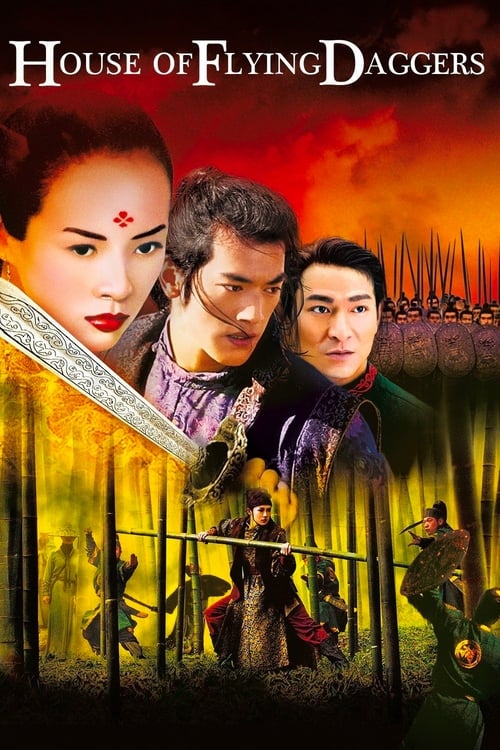
2004
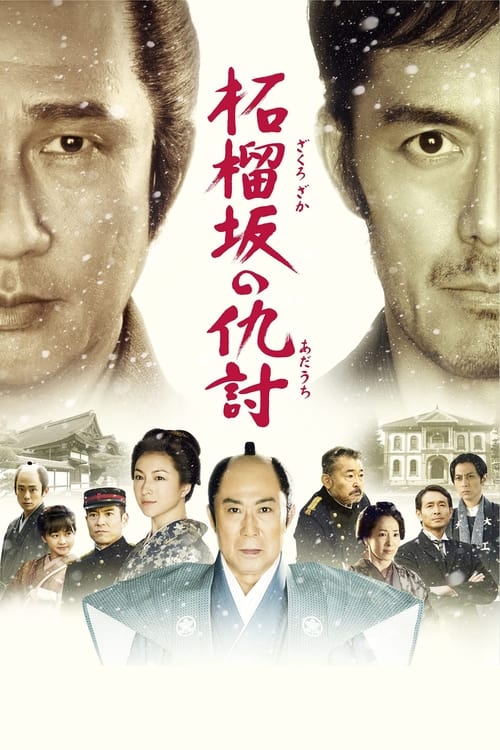
2014
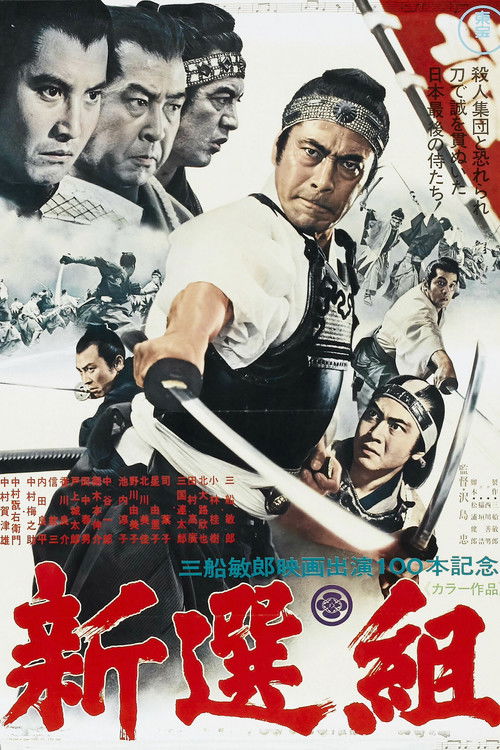
1969
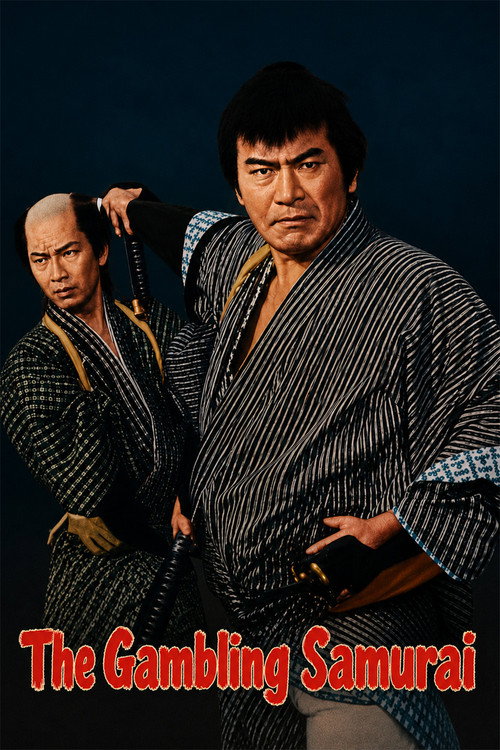
1960
No reviews yet. Be the first to share your thoughts on this movie!
Use the rating form above to leave a star rating and optional review.