The Warrior
2001
No user ratings available yet
Representation score: 3.4 out of 10
Representation Score
Limited
2011
Not RatedDirector
Felix Chong Man-Keung, Alan Mak Siu-Fai
Runtime
107 minutes
Average Rating
No ratings yetNew Showbiz Analysis
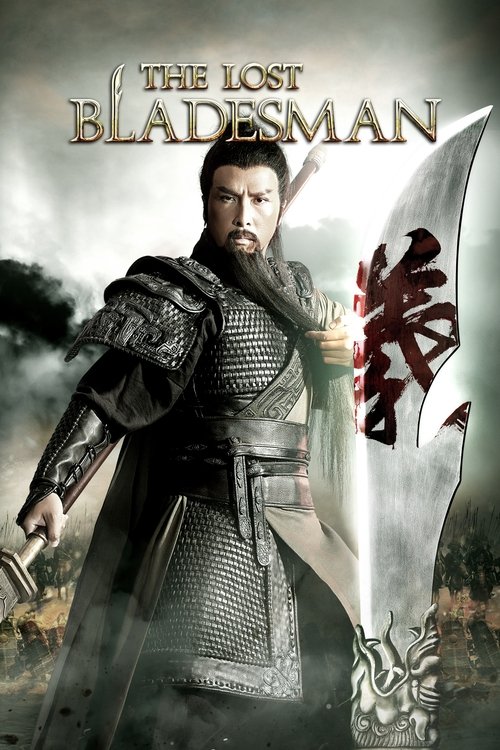
The Lost Bladesman is a traditional historical epic that emphasizes classic themes of loyalty and martial honor. It upholds established archetypes rather than challenging them. While the film provides a critique of corrupt institutions, it does so through the lens of individual virtue. It lacks the layered complexity of modern progressive works. Overall, the film is a culturally authentic period piece that adheres to traditional social norms and masculine-driven narratives.
Category Breakdown
The film follows a strictly heterosexual and cisgender-focused storyline. The main conflict centers around loyalty to a male friend and a protective relationship with a female character, with no hints of queer relationships.
Female characters such as Qi Lan play crucial roles but tend to react to the actions of male protagonists. The power dynamics revolve around masculine strength and traditional gender roles.
The cast reflects the historical context of ancient China, making the film culturally homogeneous. This uniformity preserves cultural authenticity without promoting exclusionary stereotypes.
The story criticizes the imperial system by portraying central authority as corrupt. It emphasizes individual honor and morality over institutional duty and stability.
The film does not feature any characters with visible or invisible disabilities. The narrative focuses solely on peak physical performance and martial skills.
Present on Screen
Limited or Absent
Official Synopsis
During the warring period of the three kingdoms, ancient China is in turmoil. To unify the country, general Cao Cao, the real power behind the Emperor, enlists the aid of the greatest warrior in the land, Guan Yu. However, Guan Yu is a loyal friend of Cao Cao's enemy Liu Bei so to persuade the peerless warrior to fight, Cao Cao takes his beloved Qi Lan hostage. After leading Cao Cao's forces to victory Guan Yu sets out with Qi Lan to rejoin Liu Bei. Now Cao Cao has deemed him too great a threat to live, and on the journey he must face all the forces at the Emperor's command sent to destroy him.
2001
2013

2011
2018
2008
2021
2009
2002
No reviews yet. Be the first to share your thoughts on this movie!
Use the rating form above to leave a star rating and optional review.