
Rusty Blade
2022
No user ratings available yet
Representation score: 2.3 out of 10
Representation Score
Fair
2014
Not RatedDirector
Roy Chow Hin-Yeung
Runtime
131 minutes
Average Rating
No ratings yetNew Showbiz Analysis
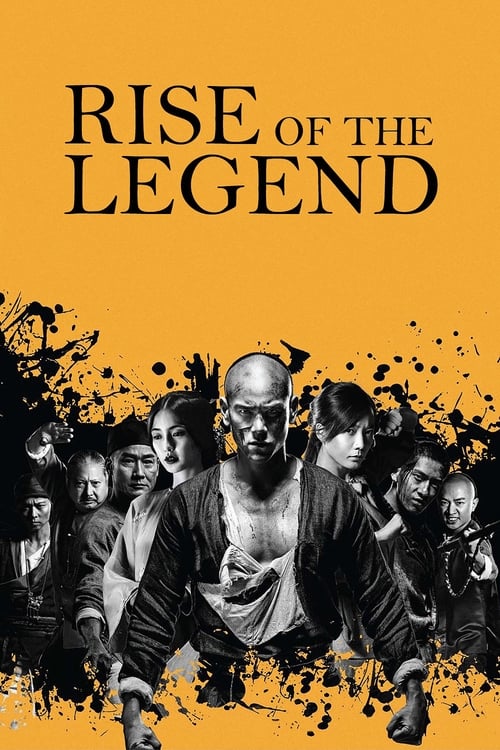
Rise of the Legend operates primarily as a period martial arts drama centered on systemic critique. Its strength lies in deconstructing traditional power structures, particularly through the Orphans gang which emphasizes chosen communal bonds over biological ties. However, the film's diversity is limited by its heavy reliance on masculine conflict and martial arts clichés, resulting in a lack of visible women's ability to drive the story and no representation of LGBTQ+ identities. While the film offers a meaningful critique of institutional corruption, it falls short in providing the multi-layered breadth necessary for a higher diversity score.
Category Breakdown
The film does not include any explicit LGBTQ+ characters or narratives. It focuses on traditional martial arts themes and gang rivalries, offering no visible queer representation.
The story centers on masculine conflicts between bosses and fighters. Although the Orphans gang suggests communal bonds over biological ties, women's ability to drive the story is not addressed.
Set in 1868 China, the film maintains a localized cultural focus. The cast is ethnically uniform, emphasizing internal corruption within the Qing Dynasty.
The film critiques traditional institutions by presenting the Imperial Court as corrupt. It highlights a grassroots collective that challenges established social and criminal hierarchies.
There are no characters with visible or invisible disabilities in the narrative.
Present on Screen
Limited or Absent
Official Synopsis
In 1868 during the late Qing Dynasty, rampant corruption on the Imperial Court inflicts much suffering in people's lives. For years, the Black Tiger’s fearsome boss Lei Gong has been trying to get rid of the leader of the Northern Sea. One of his latest recruits is Fei, a fearless fighter who takes the Northern Sea leader’s head after a fierce fight. Just as Lei Gong believes he has total control of the port, a new gang called the Orphans rises in power. Led by Fei’s childhood friend Huo, the Orphans are out to eliminate all the criminal power from the port…
2022
2009
2011

2014
1974
2010
2009
1974
No reviews yet. Be the first to share your thoughts on this movie!
Use the rating form above to leave a star rating and optional review.