The Sword with No Name
2009
No user ratings available yet
Representation score: 3.4 out of 10
Representation Score
Limited
2011
RDirector
Kim Han-min
Runtime
122 minutes
Average Rating
No ratings yetNew Showbiz Analysis
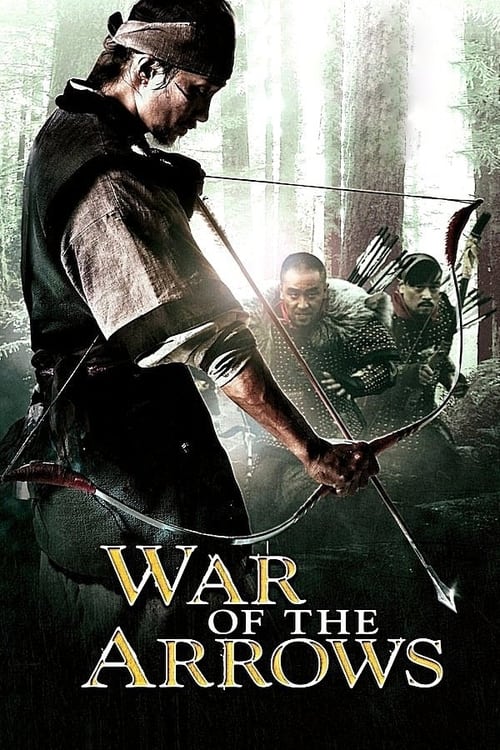
War of the Arrows is a traditional historical epic that prioritizes nationalistic storytelling and martial heroism. It adheres closely to the social hierarchies of the Joseon Dynasty, focusing on lineage and duty rather than modern multi-layered identities. The film excels at depicting the struggle of an individual against a corrupt state. However, it does not disrupt traditional gender or social norms, as the narrative remains anchored in conventional formulas. Ultimately, the film serves as a study of historical geopolitics and personal control. It lacks representation for LGBTQ+ individuals and characters with disabilities, favoring a cast defined by peak physical performance.
Category Breakdown
The film centers on traditional family bonds and military duty. It does not include any non-straight or non-cisgender identities or same-sex relationships.
The story follows a patriarchal structure where the male protagonist holds most of the control. A female character's kidnapping drives the plot, but the resolution remains male-focused.
The narrative examines ethnic conflict through the lens of the Manchu invasions. It uses a binary of Korean identity versus Manchu invaders to advance the geopolitical storyline.
The film highlights institutional corruption and systemic failures within the ruling class. It emphasizes traditional family loyalty and national identity.
Characters are defined by physical strength and martial skills. There is no significant focus on neurodivergence or physical disabilities as key factors.
Present on Screen
Limited or Absent
Official Synopsis
After the death of their father, two siblings are raised by their father's best friend. However, when one gets kidnapped just before her wedding, the other rises against the Manchus.
2009
2015

2004
2013
2001
2009
2010
2020
No reviews yet. Be the first to share your thoughts on this movie!
Use the rating form above to leave a star rating and optional review.