Bamboo Brotherhood
1974
No user ratings available yet
Representation score: 3.4 out of 10
Representation Score
Limited
1971
RDirector
Kao Pao-Shu
Runtime
96 minutes
Average Rating
No ratings yetNew Showbiz Analysis
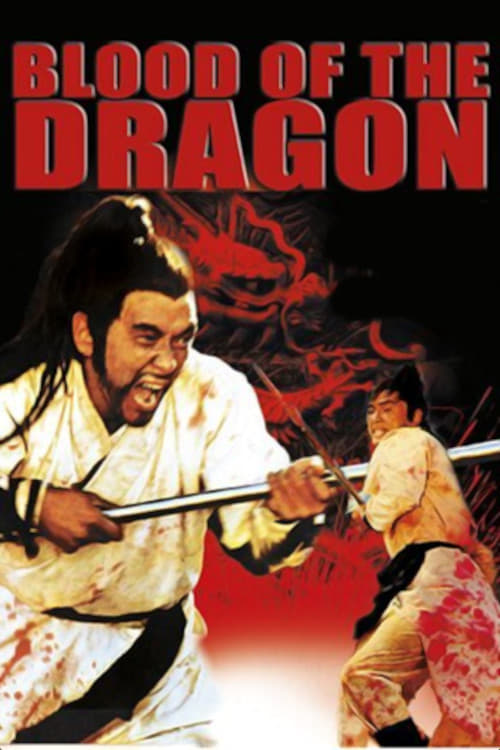
Blood of the Dragon is a traditional genre piece centered on political intrigue and personal honor. It operates through a tension between state authority and revolutionary movements, using a list of names as a catalyst for conflict. While the film lacks modern multi-layered markers or LGBTQ+ representation, its narrative architecture disrupts the status quo by centering a rebellion. This provides a foundational layer of systemic critique against central authority. Ultimately, the film remains rooted in the conventional character archetypes of the early 1970s, prioritizing themes of vengeance and duty over diverse social representation.
Category Breakdown
The film does not include any characters with LGBTQ+ identities. The narrative focuses on traditional masculine roles of revenge and political struggle.
The story is driven by male-centric archetypes such as the warrior and the statesman. The emphasis on duels highlights a traditional gender hierarchy.
The film presents a culturally specific landscape centered on non-Western power structures. It focuses on internal political dynamics and regional identities.
The conflict between state control and grassroots opposition explores the corruption of institutional power. It utilizes a complex, non-singular moral framework.
There is no evidence of characters with visible or invisible disabilities within the narrative.
Present on Screen
Limited or Absent
Official Synopsis
White Dragon must get a list with the names of rebel supporters to Prince Ma Tung, the leader of the rebellion. Trying to stop him in his mission is the evil Prime Minister, who naturally wants the list in order to crush his opposition. Adding another complication is the fact that Ma Tung wants to kill White Dragon in revenge for the humiliation Tung's father suffered in a duel against White Dragon years earlier.
1974
1967
1979
1978
1974

1973
1974
1973
No reviews yet. Be the first to share your thoughts on this movie!
Use the rating form above to leave a star rating and optional review.