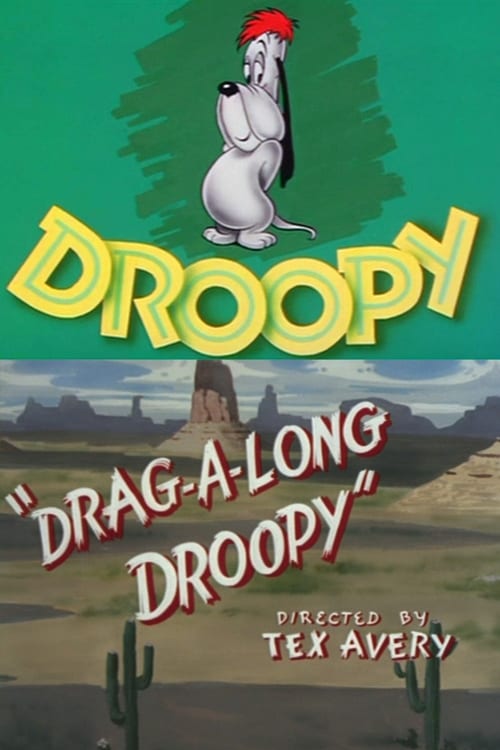
Drag-A-Long Droopy
1954
No user ratings available yet
Representation score: 1.9 out of 10
Representation Score
Minimal
1955
NRDirector
Tex Avery
Runtime
6 minutes
Average Rating
No ratings yetNew Showbiz Analysis
Tex Avery’s short is a genre parody that reinforces mid-century social and narrative norms rather than challenging them. It relies heavily on the 'outlaw vs. civilization' cliché to affirm communal order. The film lacks complexity in reflecting multiple aspects of identity, presenting clear-cut moral binaries through a prehistoric lens. While the twist ending provides comedic irony, it does not offer a critique of systemic power structures. Ultimately, the work is a product of its era, functioning as a traditional Western tale that prioritizes stylistic slapstick over diverse or nuanced representation.
Category Breakdown
The film adheres to traditional mid-century romantic themes and focuses on a villain who steals 'all the pretty women.' This portrayal aligns with straight-centered assumptions about relationships.
Female characters are portrayed as passive prizes to be won or stolen, while male figures, including the villain and the Texans, hold all the power and ability to act in the story.
The prehistoric setting uses anthropomorphic characters to avoid modern racial dynamics. However, the narrative upholds a Eurocentric frontier mythology focused on Texas identity.
The story celebrates Western mythic archetypes such as the outlaw and the rancher. It follows a traditional moral arc where a community neutralizes a disruptive force.
There is no representation of physical, sensory, or neurodivergent identities. Characters are depicted as archetypal caricatures typical of 1950s animation.
Present on Screen
Limited or Absent
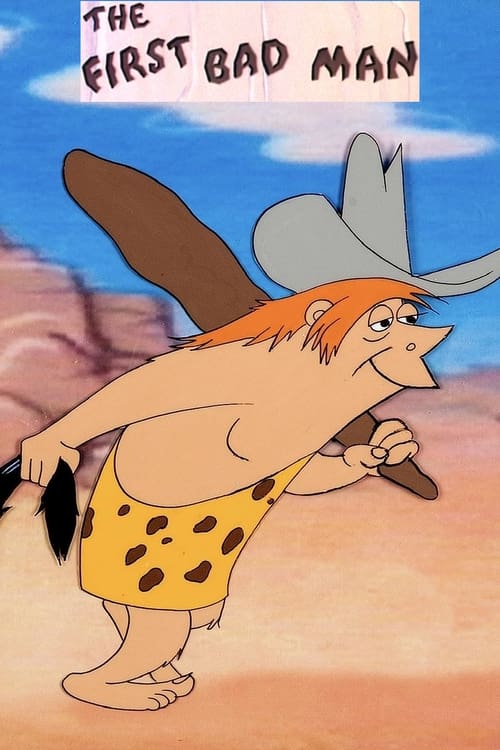
Official Synopsis
The first Texas bad man come running into town a million years B.C.
1954
1935
1960
1954

1930
1956
1949

1950
No reviews yet. Be the first to share your thoughts on this movie!
Use the rating form above to leave a star rating and optional review.