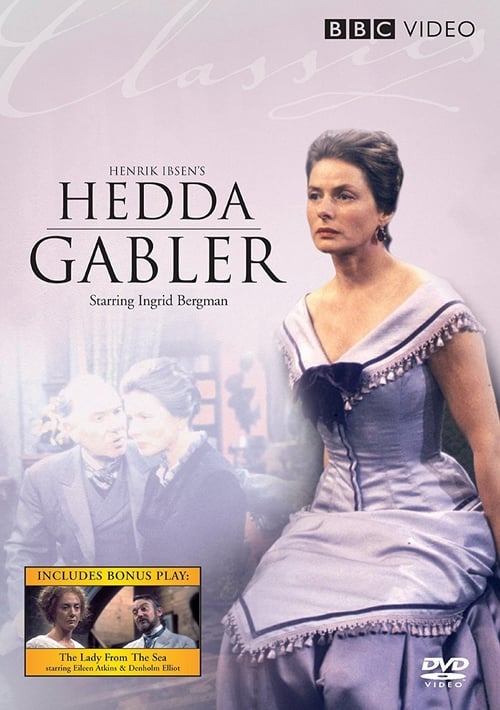
Hedda Gabler
1962
No user ratings available yet
Representation score: 3.0 out of 10
Representation Score
Limited
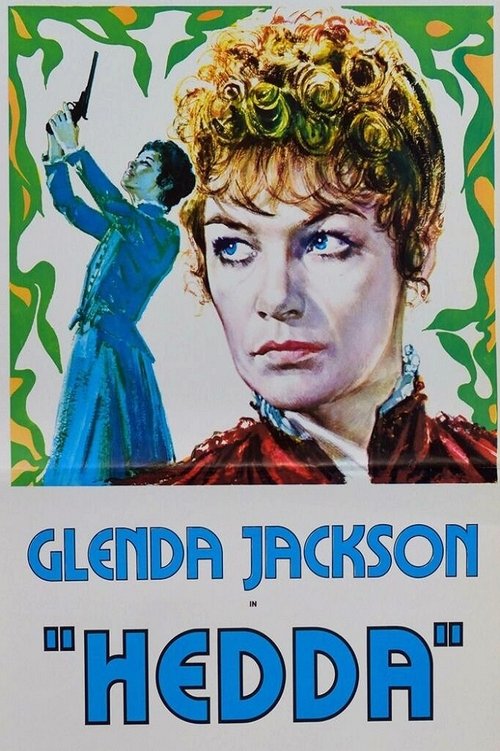
1975
PGDirector
Trevor Nunn
Runtime
102 minutes
Average Rating
No ratings yetNew Showbiz Analysis
Trevor Nunn’s adaptation centers on psychological depth and the deconstruction of social facades rather than broad demographic representation. The film excels at challenging traditional gender roles, presenting a protagonist who actively rejects the role of the 'ideal wife'. However, the production is limited by its strict adherence to historical homogeneity. The absence of LGBTQ+, racial, and ethnic diversity reflects the period setting but narrows the social scope. Ultimately, the film is a character study of social entrapment. It uses Hedda's destructive influence to critique the stifling nature of 19th-century bourgeois institutions.
Category Breakdown
The film adheres closely to 19th-century social norms and does not include any LGBTQ+ identities or queer subtext.
Hedda Gabler challenges Victorian gender roles by rejecting traditional domestic expectations. She asserts intellectual and psychological dominance over the men in her life.
The cast is ethnically uniform, reflecting the historical Norwegian setting. There is no indication of color-blind casting or racial blending.
The narrative critiques the oppressive nature of bourgeois social structures and middle-class respectability. It portrays these institutions as stifling forces that limit individual freedom.
There is no depiction of visible or invisible disabilities as central character elements or given significant roles within this production.
Present on Screen
Limited or Absent
Official Synopsis
Returning from her honeymoon with her husband, scholar Jorgen, the cold and manipulative Hedda Gabler is unmoved by the sacrifices he's made to provide her with an elegant home. But when she learns that Jorgen's rival for a university position, Ejlert, has made a surprising comeback with a recent publication, she's quick to push him back into his former alcoholism, steal the sequel to his book and even encourage the writer to kill himself.
1962
1951

1973
1957
1962

1952
2023
1950
No reviews yet. Be the first to share your thoughts on this movie!
Use the rating form above to leave a star rating and optional review.