Back Streets of Paris
1946
No user ratings available yet
Diversity score: 3.9 out of 10
1950
Director
Nicholas Ray
Runtime
94 minutes
Average Rating
No ratings yetSynopsis
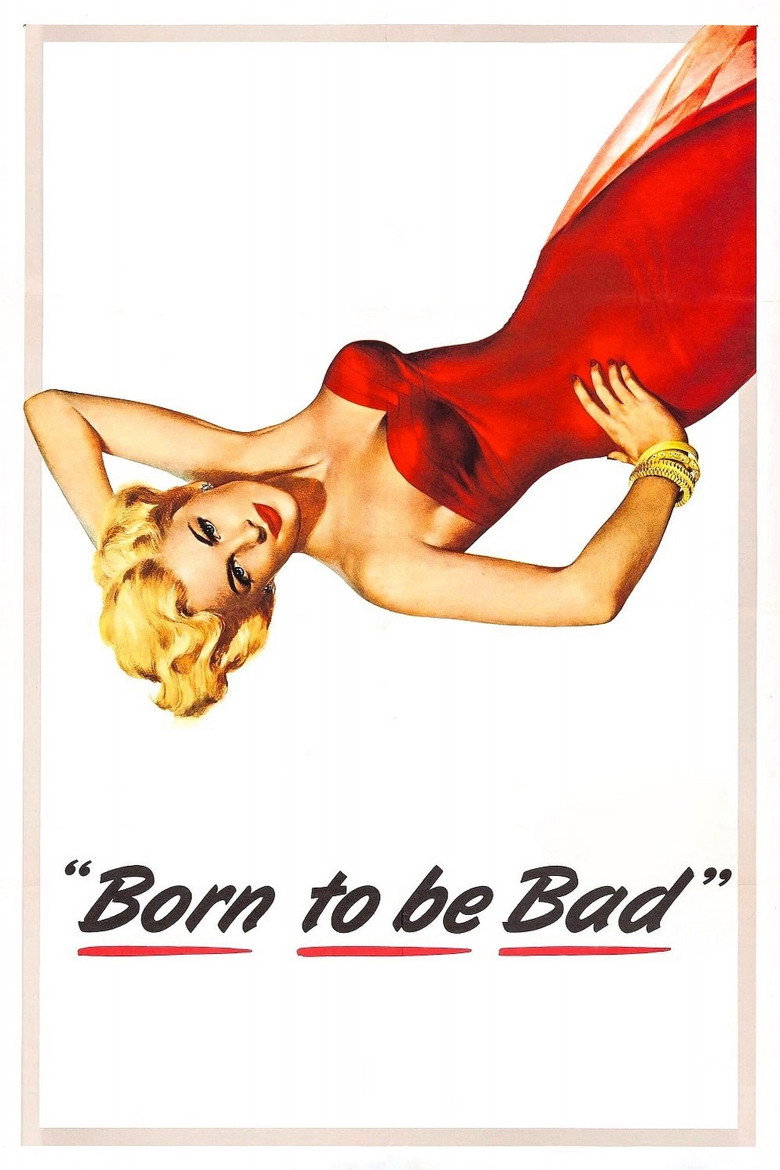
Christabel Caine has the face of angel and the heart of a swamp rat. She'll step on anyone to get what she wants, including her own family. A master of manipulation, she covertly breaks off the engagement of her trusting cousin, Donna, to her fabulously wealthy beau, Curtis Carey. Once married to Curtis herself, Christabel continues her affair with novelist Nick Bradley, who knows she's evil, but loves her anyway.
Overall Score
Fair
Category Breakdown
LGBTQ+ Representation
The film lacks explicit depictions of non-cisnormative identities or same-sex intimacy. The narrative remains tethered to heteronormative romantic structures centered on male companionship.
Gender Representation
Christabel Caine subverts traditional gender hierarchies by rejecting the wholesome feminine archetype. She occupies a role defined by predatory agency and intellectual manipulation rather than submissive femininity.
Racial & Ethnic Diversity
The cast is predominantly homogeneous, reflecting the systemic social constraints of 1950. There is no evidence of racial blending or diverse ethnic backgrounds.
Religious & Cultural Diversity
The story critiques traditional Western institutions by framing the protagonist's actions as a rejection of small-town morality. It explores the breakdown of the nuclear family unit.
Disability Representation
There are no visible or invisible disabilities portrayed within the character arcs. Disability is not utilized as a narrative device in this film.
Strengths
Areas for Improvement
AI Analysis
Born to Be Bad stands out for its psychological complexity and its refusal to adhere to mid-century moral archetypes. While the film is demographically narrow, it succeeds in presenting a female protagonist with significant, albeit predatory, agency. The narrative's strength lies in its subversion of gendered expectations. Christabel Caine is not a traditional heroine, but a character who actively disrupts social and familial cohesion to pursue her own desires. However, the film remains a product of its time regarding demographic representation. It lacks any meaningful inclusion of racial, ethnic, or LGBTQ+ diversity, remaining firmly within a homogeneous social framework.
1946

1930

1964
1947
1949
1960
1968
1947
1953
1958
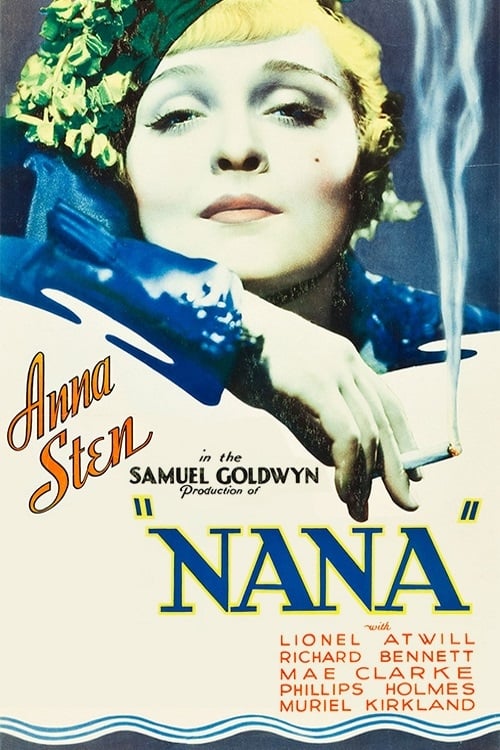
1934
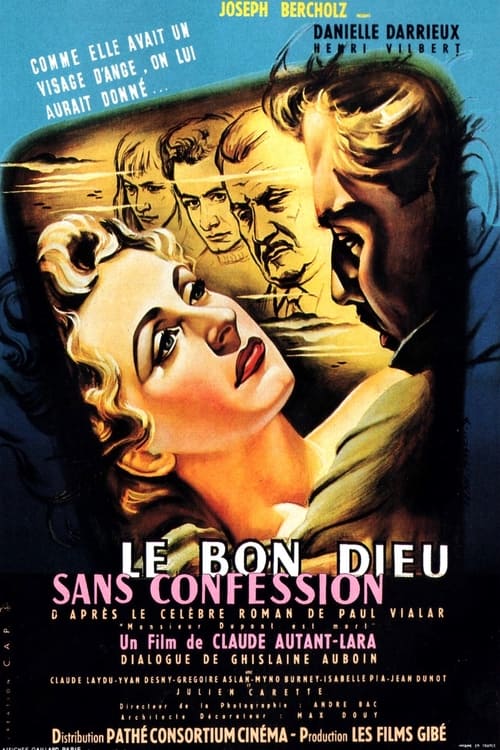
1953
No reviews yet. Be the first to share your thoughts on this movie!
Use the rating form above to leave a star rating and optional review.