Elmer and Elsie
1934
No user ratings available yet
Representation score: 2.4 out of 10
Representation Score
Limited
1925
Not RatedDirector
Carl Theodor Dreyer
Runtime
107 minutes
Average Rating
No ratings yetNew Showbiz Analysis
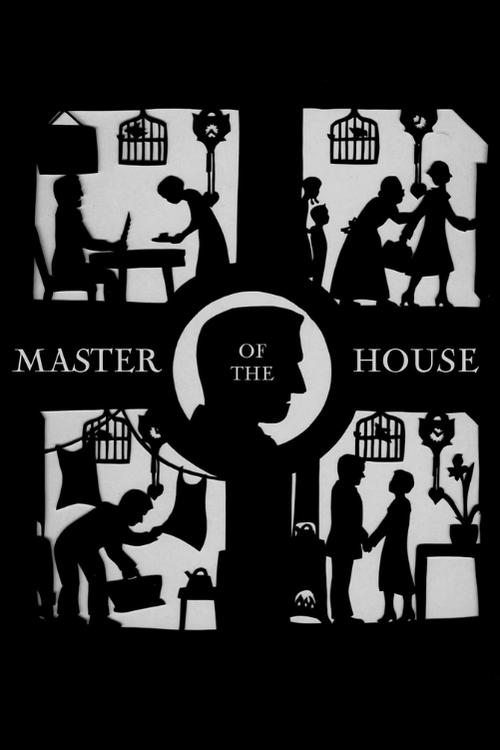
Master of the House is a period drama that emphasizes psychological depth over demographic variety. Despite the lack of racial and LGBTQ+ representation due to the 1920s European setting, the film's themes are remarkably progressive for its time. The film stands out for its subversion of traditional gender roles, showing women as active agents rather than passive figures. However, it remains constrained by its historical context, lacking ethnic diversity and LGBTQ+ narratives.
Category Breakdown
The film does not include any LGBTQ+ characters or identities outside the norm. The 1925 setting emphasizes traditional family structures.
The story challenges traditional gender roles by highlighting the active role of female characters. These women work together to counter the authority of the male head of household, shifting the balance of power.
The casting reflects the homogeneous demographics of 1920s Europe. The plot centers on class-based family dynamics rather than ethnic diversity.
The film criticizes Western institutions by portraying the male tyrant as morally bankrupt. It prioritizes individual freedom over maintaining traditional, authoritarian social orders.
There is no significant portrayal of physical or neurodivergent disabilities in this work.
Present on Screen
Limited or Absent
Official Synopsis
When a man becomes tyrannical towards his family, the women of the house decide to teach him a lesson in gratitude.
1934

1924
1932

1954
1912

1924
1929
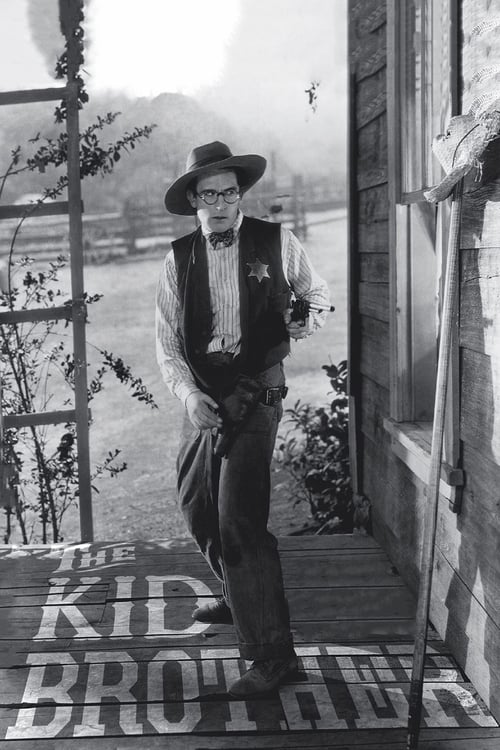
1927
No reviews yet. Be the first to share your thoughts on this movie!
Use the rating form above to leave a star rating and optional review.