
A Bill of Divorcement
1932
No user ratings available yet
Diversity score: 4.5 out of 10
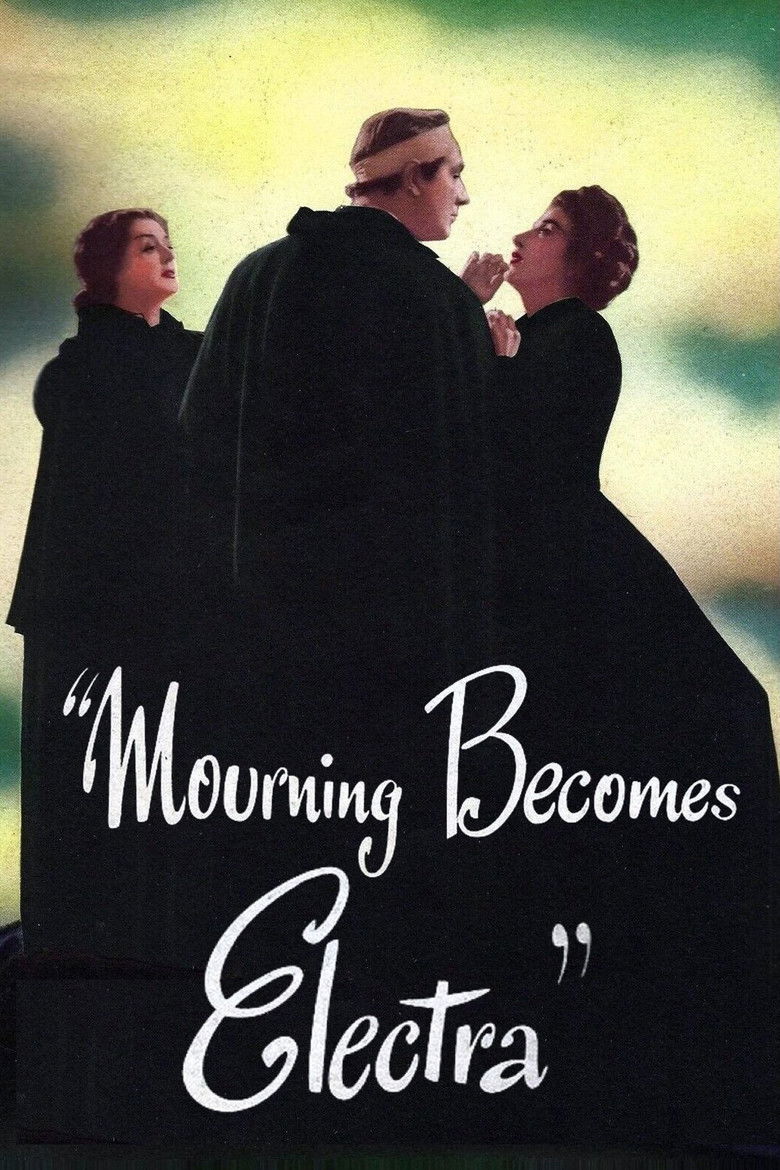
1947
NRDirector
Dudley Nichols
Runtime
173 minutes
Average Rating
No ratings yetSynopsis
Near the end of the Civil War, the proud residents of Mannon Manor await the return of shipping tycoon Ezra Mannon and son Orin. Meanwhile Ezra’s conniving wife Christine and daughter Lavinia vie for the love of a handsome captain with a dark secret while well-meaning neighbor Peter sets his sights on Lavinia.
Overall Score
Fair
Category Breakdown
LGBTQ+ Representation
The film adheres to 1947 cinematic constraints, focusing entirely on heteronormative romantic entanglements. No queer subtext or non-cisnormative identities are present in the narrative.
Gender Representation
Women serve as the primary drivers of tension rather than submissive domestic figures. Characters like Christine and Lavinia exhibit high agency, portraying female desire as a volatile, dominant force.
Racial & Ethnic Diversity
Set in a homogeneous New England environment, the film features a largely Anglo-Saxon cast. There is no evidence of racial blending or diverse ethnic perspectives within the social circle.
Religious & Cultural Diversity
The narrative deconstructs Western institutions by presenting the noble family as a site of decay. It prioritizes psychological compulsion and moral relativism over traditional Christian morality.
Disability Representation
While the film explores profound psychological fragmentation, these struggles are treated as thematic elements of the human condition. No specific neurodivergent or physically disabled characters are represented.
Strengths
Areas for Improvement
AI Analysis
Mourning Becomes Electra is a psychological deconstruction of the American domestic archetype. It succeeds in subverting mid-century gender norms by centering female agency and psychological dominance, moving away from the era's standard of the nurturing mother. However, the film is limited by its historical context, offering almost no racial or LGBTQ+ diversity. The narrative remains confined to a homogeneous, upper-class Anglo-Saxon environment, reflecting the socioeconomic realities of the period. Ultimately, the film's strength lies in its sophisticated critique of Western social hierarchies and the sanctity of the family unit, even as it lacks representation for marginalized identities.
1932

1950
1934
1975
1948
1936
1973
1934
1941

1973
1932
1948
No reviews yet. Be the first to share your thoughts on this movie!
Use the rating form above to leave a star rating and optional review.