
The Paper Chase
1973
No user ratings available yet
Representation score: 0.4 out of 10
Representation Score
Fair
1994
RDirector
David Mamet
Runtime
87 minutes
Average Rating
No ratings yetNew Showbiz Analysis
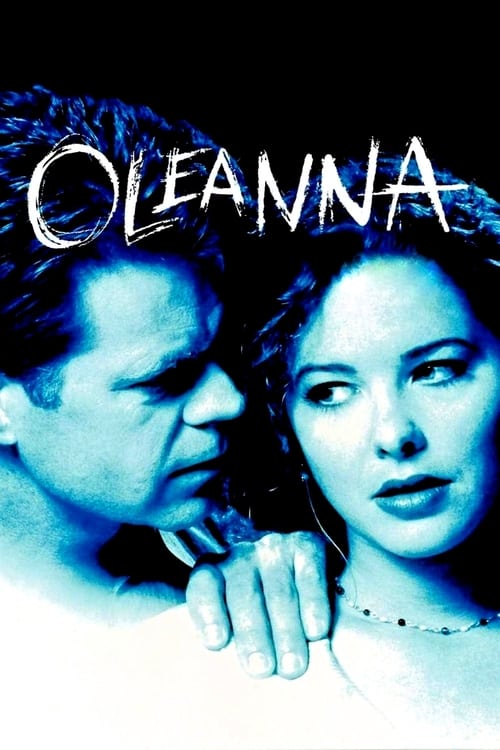
Oleanna is a claustrophobic psychological study that prioritizes thematic depth over demographic breadth. While it fails to include diverse racial, LGBTQ+, or disability-related perspectives, it successfully subverts traditional social hierarchies through its gender dynamics. The film's strength lies in its intellectual examination of power. By dismantling the authority of the academic institution, it provides a nuanced look at how subjective truth can destabilize established social norms. Ultimately, the work is a narrow, intense character study. It focuses on the tension between individual ability to act and institutional structure, rather than on characters who reflect more than one aspect of diversity.
Category Breakdown
The film does not feature any LGBTQ+ characters. The story focuses solely on the interpersonal conflict between the two main characters.
The story challenges traditional gender roles by shifting the power dynamic from the professor to the student. It places the male professor in a position of systemic vulnerability.
The cast is predominantly white, focusing on a white academic and a white student. This focus avoids the complexities of multi-layered identity, emphasizing class and gendered power.
The film explores moral relativism and questions institutional stability. It highlights how Western academic protocols struggle with individual grievances.
The film does not depict any significant physical or neurodivergent disabilities. The characters' struggles are purely psychological and social.
Present on Screen
Limited or Absent
Official Synopsis
Carol, a college student, comes to John's office, her professor, to discuss the grade she has received for one of her papers.
1973

1989
1993
1951

2023
1989
1986
1969
No reviews yet. Be the first to share your thoughts on this movie!
Use the rating form above to leave a star rating and optional review.