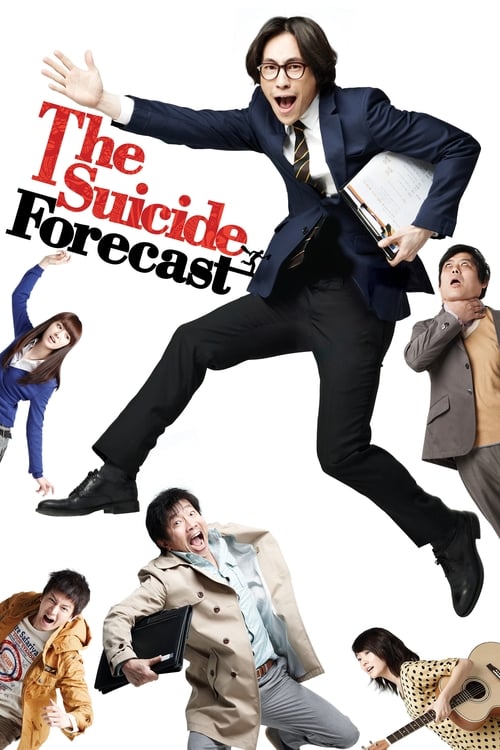
The Suicide Forecast
2011
No user ratings available yet
Representation score: 7.6 out of 10
Representation Score
Excellent
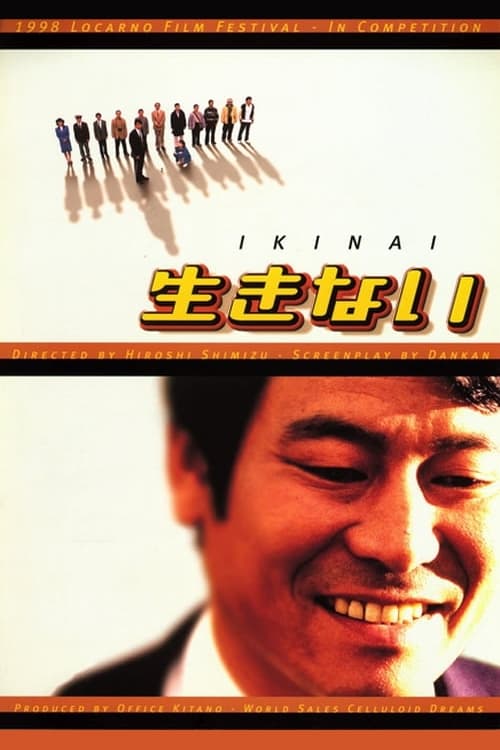
1998
Director
Hiroshi Shimizu
Runtime
101 minutes
Average Rating
No ratings yetNew Showbiz Analysis
Suicide Bus is a somber exploration of systemic disillusionment. The plot revolves around a group of passengers participating in a suicide pact to secure insurance payouts for their families, using a bus tour as a backdrop for collective economic desperation. The film's strength lies in its socio-economic commentary. It challenges traditional moral norms by presenting extreme anti-social behavior as a calculated response to the pressures of modern social structures and the perceived failures of the family unit. However, the film lacks specific demographic diversity. While it offers a progressive critique of capitalist stability, there is no visible representation of LGBTQ+ identities, varied ethnicities, or individuals with disabilities.
Category Breakdown
The film offers no explicit evidence regarding sexual orientation or gender identity. The score reflects a neutral baseline due to this absence of identifiable data.
The film features Mitsuki, a young female protagonist, who navigates the complexities of adult despair. Her role suggests a shift away from traditional patriarchal leadership roles.
As a Japanese production, the film likely has a culturally homogeneous cast. There are no specific details about multi-ethnic casting, so the score remains neutral.
The narrative sharply critiques capitalist structures and the family unit. It portrays a suicide pact as a calculated response to economic burdens and systemic failures.
There is no mention of neurodivergence or physical disabilities within the narrative. The score remains neutral.
Present on Screen
Limited or Absent
Official Synopsis
A young girl named Mitsuki receives a ticket for a bus tour from her uncle. The tour appears to be normal (expect that everyone appears to be quite sombre), but Mitsuki learns its true purpose: the other passengers and the tour manager have a suicide pact to send the bus over a cliff so their families can collect the insurance money.
2011

1968

2009

2002

1997

2004
2010

1990
No reviews yet. Be the first to share your thoughts on this movie!
Use the rating form above to leave a star rating and optional review.