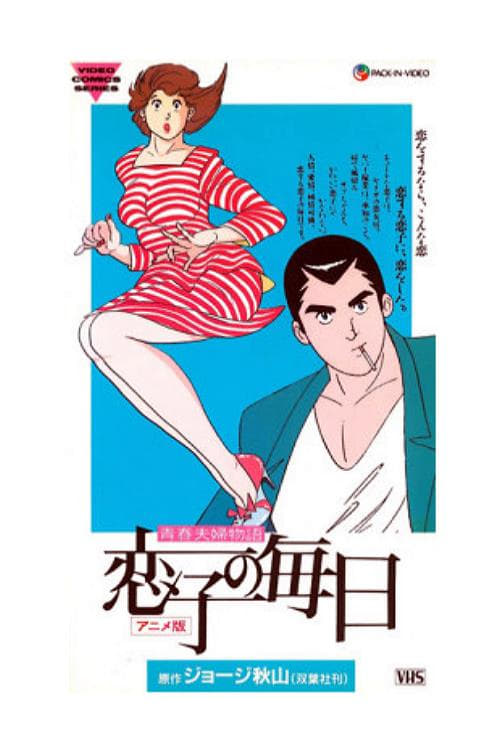
Koiko no Mainichi
1989
No user ratings available yet
Representation score: 3.1 out of 10
Representation Score
Fair
2003
Director
Yōichi Higashi
Runtime
113 minutes
Average Rating
No ratings yetNew Showbiz Analysis
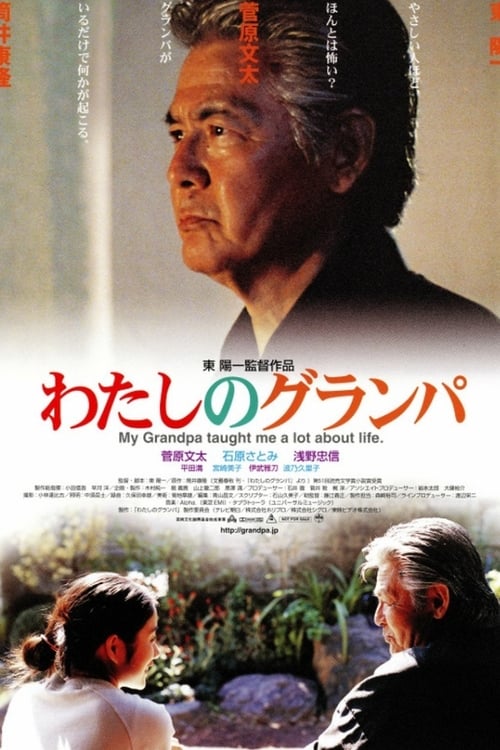
My Grandpa is a conventional domestic drama that prioritizes character study over systemic critique. It successfully provides a young female protagonist with a meaningful journey of self-discovery and strength. However, the film remains anchored in traditional storytelling structures. It focuses on a homogeneous social environment and traditional family units, lacking the complexity of more progressive narratives. Ultimately, the film serves as a localized study of social consequence and family tension rather than a tool for social subversion.
Category Breakdown
The story focuses on traditional family dynamics and a troubled marriage. There are no LGBTQ+ characters or non-cisgender identities in the narrative.
Tamako's character undergoes a significant transformation from being ostracized to becoming a person with ability to act. However, her strength is mainly driven by her grandfather.
This localized Japanese production centers on a culturally specific domestic drama. It does not include multi-ethnic blending or diverse casting.
The film delves into restorative justice and familial duty within a traditional framework. It emphasizes social reintegration without challenging systemic or Western-centric norms.
The narrative does not depict physical, neurodivergent, or mental health disabilities.
Present on Screen
Limited or Absent
Official Synopsis
Kenzo was behind bars for killing a gangster. Upon his release, he goes to live with his son, whose marriage is on the rocks. His 14-year-old granddaughter Tamako is ostracized when she discovers that her grandfather is a murderer. Kenzo soon helps defend Tamako from bullies at school. When Tamako stands up for herself, she comes to believe that she has inherited some of her grandfather’s great strength. Eventually, an associate of the man Kenzo killed comes looking for revenge, along with the dead man’s son.
1989

1990
1977

1997

1996
1992

2010

2018
No reviews yet. Be the first to share your thoughts on this movie!
Use the rating form above to leave a star rating and optional review.