Three Sisters
2014
No user ratings available yet
Representation score: 4.2 out of 10
Representation Score
Good
2014
TV-PGDirector
Michihito Fujii
Runtime
102 minutes
Average Rating
No ratings yetNew Showbiz Analysis
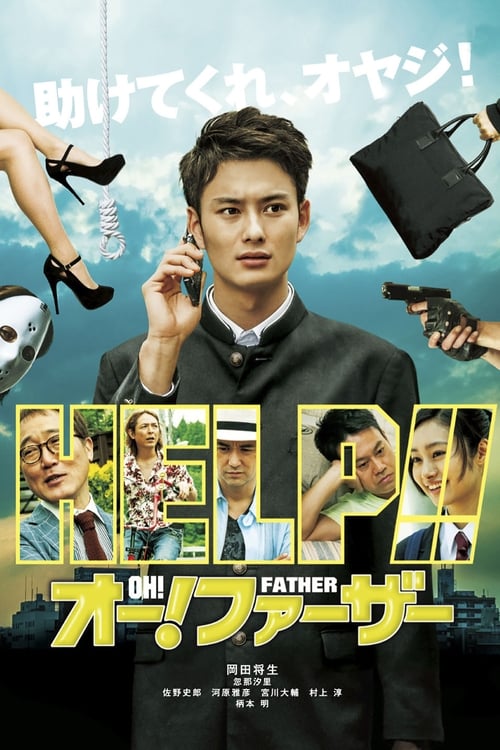
Oh! Father stands out by placing a non-traditional domestic unit at the heart of its story. Instead of treating unconventional family structures as a joke, the film treats a four-father household as a central, valid reality. This shift moves queer-coded kinship from the periphery to the narrative core. The film also succeeds in breaking down traditional masculinity. By fragmenting the patriarchal role among four different men, it avoids the cliché of the singular, dominant father figure. This creates a more nuanced exploration of identity and parental responsibility. While the film lacks visible representation of physical or neurodivergent disabilities, its subversion of social institutions provides significant cultural value. It effectively critiques the necessity of the standard nuclear family through its unique character architecture.
Category Breakdown
The film focuses its narrative on a non-traditional household with four fathers. This setup challenges the assumption that everyone is straight or cisgender by making a queer-coded family the main storyline.
By spreading parental roles among four distinct individuals, the film breaks down the idea of a single authoritative patriarch. This approach offers a multifaceted look at masculinity that avoids the cliché of a singular, dominant father figure.
The story seems centered on a domestic Japanese setting with a likely homogeneous cast. However, it introduces social diversity by questioning traditional family norms.
The narrative portrays a four-father household as a functional, loving environment. This challenges the traditional nuclear family model and promotes progressive views on kinship.
There is no explicit evidence regarding the portrayal of physical or neurodivergent disabilities in the film.
Present on Screen
Limited or Absent
Official Synopsis
Yukio is a typical high school student in every way except that he's an only child in a family of five. This is because he has four fathers, each with their own unique personalities and interests. The only thing they share in common is their love of their son. When Yukio witnesses a robbery, he becomes involved in a bizarre string of incidents involving his fathers.
2014
2004
2018
1999
2003
1996
2003

1983
No reviews yet. Be the first to share your thoughts on this movie!
Use the rating form above to leave a star rating and optional review.