N.U.
1948
No user ratings available yet
Diversity score: 4.2 out of 10
1929
Director
Georges Lacombe
Runtime
38 minutes
Average Rating
No ratings yetSynopsis
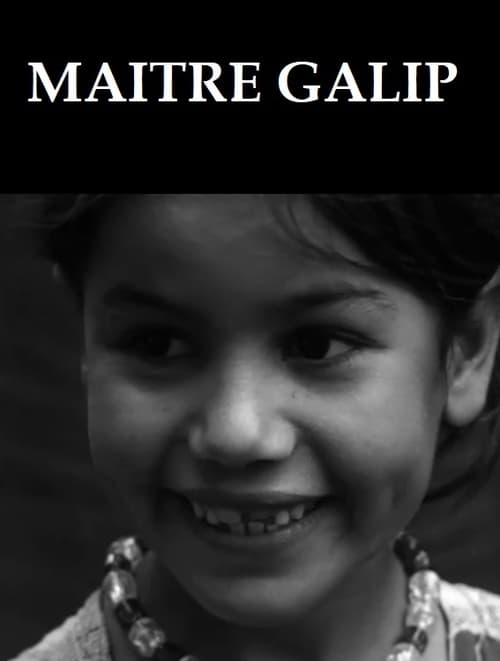
In 1928, Georges Lacombe, then assistant to René Clair, filmed the ragpickers who lived in the "zone". As his camera was stationary, he took particular care over the framing and he offers the viewer a document that is imbued with both realism and poetry. We even see the once-famous cancan dancer "La Goulue", sunk into poverty at the end of her life. - MHEU
Overall Score
Fair
Category Breakdown
LGBTQ+ Representation
The film lacks explicit evidence of LGBTQ+ characters or narratives. As a study of 1928 socioeconomic conditions, it likely reflects the era's limited queer visibility.
Gender Representation
The documentary offers a nuanced view of gender through economic survival. The inclusion of the impoverished former dancer La Goulue challenges idealized, glamorous depictions of femininity.
Racial & Ethnic Diversity
The film focuses on the Parisian periphery and class-based identity. There is no specific evidence of racial or ethnic diversity within the documented population.
Religious & Cultural Diversity
Lacombe excels at critiquing systemic structures by documenting those on the margins. The film deconstructs capitalist success stories by highlighting the reality of poverty.
Disability Representation
There is insufficient information to assess how physical or mental disabilities are portrayed in this work.
Strengths
Areas for Improvement
AI Analysis
La zone serves as a somber, observational study of the Parisian outskirts rather than a narrative focused on demographic representation. It prioritizes atmospheric realism and the lived experiences of the working class over traditional cinematic tropes. The film's strength lies in its social critique, specifically through its portrayal of marginalized individuals like the former dancer La Goulue. By documenting the descent from fame to destitution, it provides a raw look at systemic economic failure. However, the work lacks intersectional depth. The focus remains heavily on class, leaving questions regarding racial, ethnic, and LGBTQ+ visibility unanswered within the available documentation.
1948
1974

2018
1990
1929

2019

1930
1948
1931

1949
1905
1964
No reviews yet. Be the first to share your thoughts on this movie!
Use the rating form above to leave a star rating and optional review.