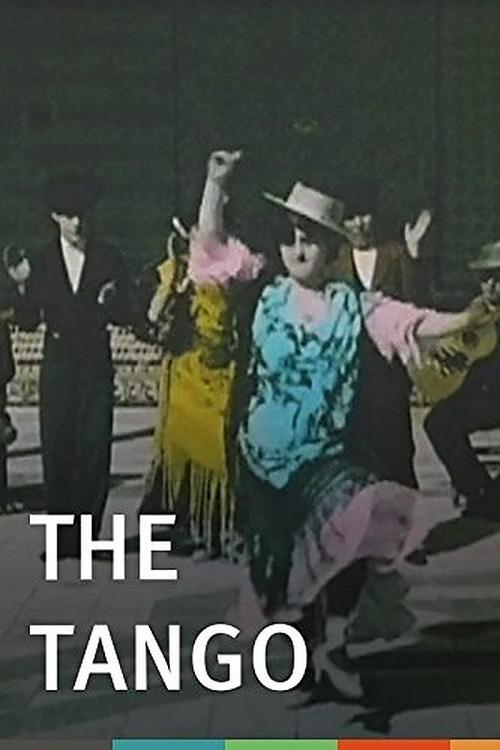
Tango
1905
No user ratings available yet
Representation score: 2.4 out of 10
Representation Score
Fair
1905
Director
Alice Guy-Blaché
Runtime
2 minutes
Average Rating
No ratings yetNew Showbiz Analysis
Alice Guy-Blaché's direction challenges the patriarchal structures typical of early filmmaking by placing a female performer in a central, active role. This disrupts the era's depiction of women as submissive. The film serves as a historical document that explores cultural identity through Spanish traditions, offering a specific cultural study rather than characters who reflect more than one aspect of diversity. Its significance lies in using early cinema to examine performance and gendered movement from a pioneering female perspective.
Category Breakdown
The film does not explicitly show LGBTQ+ identities or queer relationships. However, the stylized dance sequences can be interpreted as a way to explore gender roles through performance.
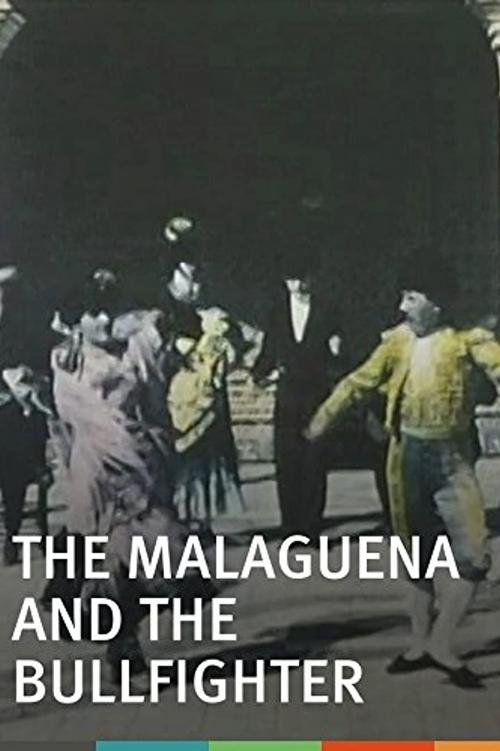
A female lead actively drives the visual performance, showing she plays a significant role in the story. The interactions between the woman and the bullfighter highlight power dynamics through movement.
The film uses Spanish cultural elements, expanding the visual scope beyond Western European norms. It focuses on specific cultural traditions rather than characters who reflect more than one aspect of diversity.
The work presents cultural rituals like bullfighting through a secular lens, avoiding imposition of moral frameworks or Western institutional critiques.
There is no evidence of characters with visible or invisible disabilities in the film.
Present on Screen
Limited or Absent
Official Synopsis
A bullfighter dances with a woman.
1905
1905
1897
1900
1900
1905
1905
1897
No reviews yet. Be the first to share your thoughts on this movie!
Use the rating form above to leave a star rating and optional review.