The Abandoned Children
1975
No user ratings available yet
Representation score: 8.5 out of 10
Representation Score
Fair
2019
Director
Agostino Ferrente
Runtime
76 minutes
Average Rating
No ratings yetNew Showbiz Analysis
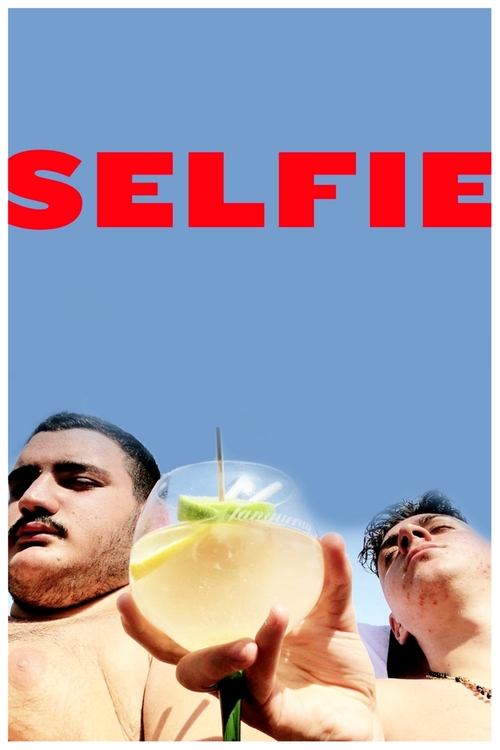
Selfie is a participatory documentary where the subjects, Alessandro and Pietro, use an iPhone to document their lives. This allows them to reclaim their own control over their stories. They disrupt traditional documentary structures and resist being viewed as passive victims. The film effectively portrays the complex relationship between individuals and the state. It frames the protagonists as active agents of their own reality rather than passive victims of urban neglect. While the film does not explicitly engage with specific identity politics, it addresses systemic exclusion and challenges the observer/observed dynamic, offering a progressive perspective on localized identity.
Category Breakdown
The film highlights the strong, platonic bond between two teenage boys and their shared survival experience. It emphasizes emotional connections without explicitly addressing non-straight relationships.
The movie centers on male protagonists but avoids typical masculine stereotypes. It portrays masculinity through vulnerability, friendship, and emotional intelligence in a restrictive setting.
The film offers substantial representation of urban populations in Naples, focusing on underrepresented communities. It shifts attention from affluent views to a localized, non-dominant social group.
The work criticizes systemic failures and historical neglect in the Trajan district. It prioritizes the lived experiences of underrepresented residents over official institutional narratives.
There are no specific depictions of visible or invisible disabilities that serve as central narrative drivers.
Present on Screen
Limited or Absent
Official Synopsis
Naples, Trajan's district. Initially it was intended for the inhabitants of the shantytowns on the seafront of Naples, who were homeless after the war. But it soon became a kind of ghetto. Alessandro and Pietro are two teenagers who film with an iPhone to tell their difficult neighborhood, their daily life, the friendship that binds them.
1975
2000
2010
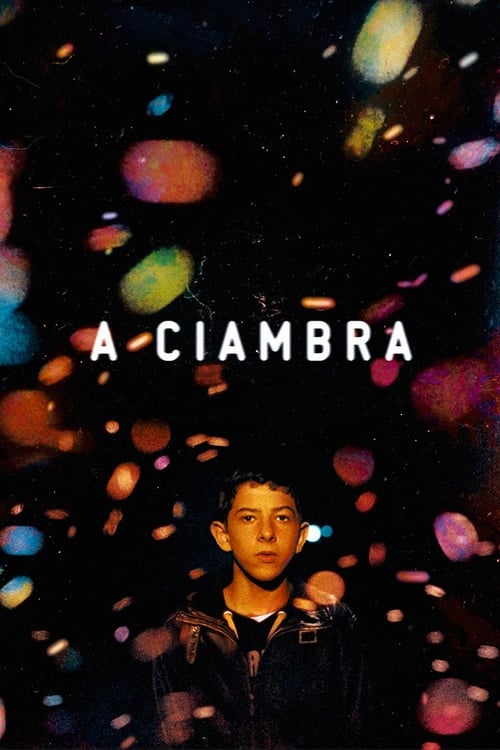
2017
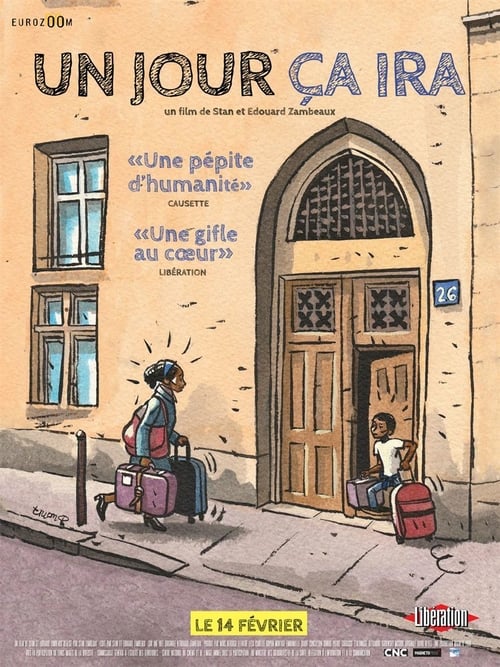
2018
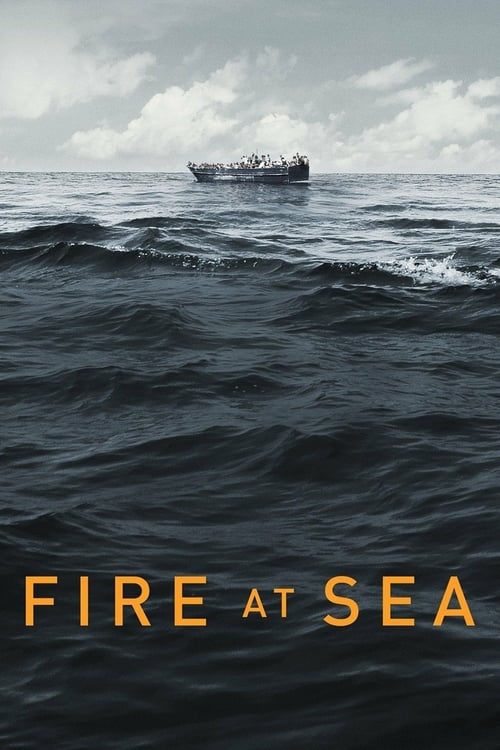
2016
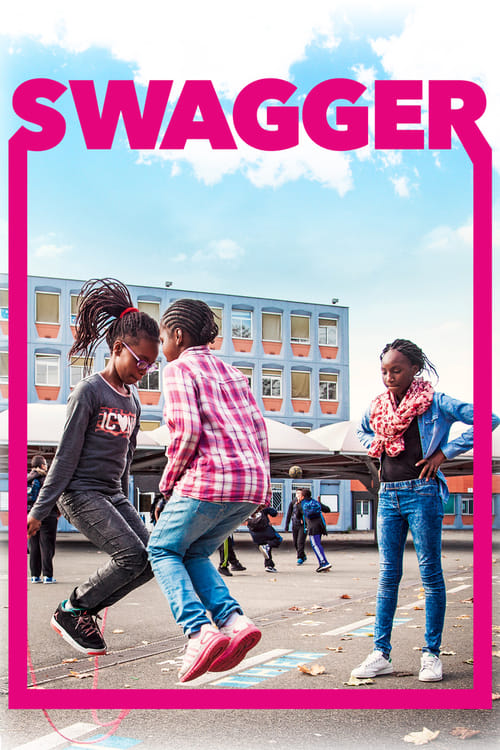
2016
2004
No reviews yet. Be the first to share your thoughts on this movie!
Use the rating form above to leave a star rating and optional review.