Paris 1900
2019
No user ratings available yet
Representation score: 3.2 out of 10
Representation Score
Limited
1948
Director
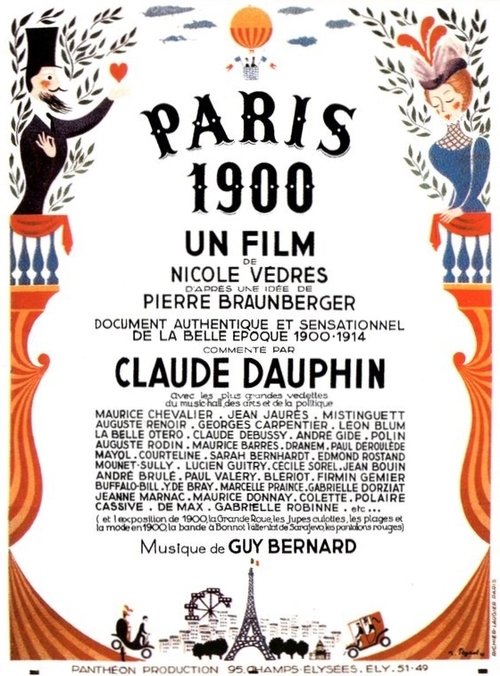
Nicole Védrès
Runtime
80 minutes
Average Rating
No ratings yetNew Showbiz Analysis
Paris 1900 offers a historical glimpse into the Belle Époque era through over 700 authentic films. Since it is an archival compilation, the film reflects the social hierarchies and demographics of the early 20th century rather than challenging them. The documentary captures the era's aesthetic and cultural milestones, featuring celebrities like Sarah Bernhardt and Enrico Caruso. However, this focus on period-typical social norms results in a lack of intentional representation for underrepresented groups. Ultimately, the film serves as a preservation of Western history, providing a visual record of the era but lacking the narrative structure to address modern standards of diversity or systemic critique.
Category Breakdown
The film primarily showcases historical footage from the Belle Époque era. It does not depict any explicitly queer-coded characters or same-sex relationships, reflecting the social norms of the time.
Notable figures such as Sarah Bernhardt offer glimpses of women exercising professional authority. However, the footage predominantly reflects the traditional gender roles and hierarchies of early 20th-century Paris.
The visual record focuses on the demographic makeup of Paris in the early 1900s. It seems to center on a relatively homogeneous European population, without diverse casting or prominent roles for individuals from other backgrounds.
This documentary preserves Western cultural history and the aesthetics of pre-WWI France. It highlights the spectacle of European milestones but does not critically examine the systemic power structures of the period.
There is no evidence regarding the depiction of individuals with physical or neurodivergent disabilities within this archival compilation.
Present on Screen
Limited or Absent
Official Synopsis
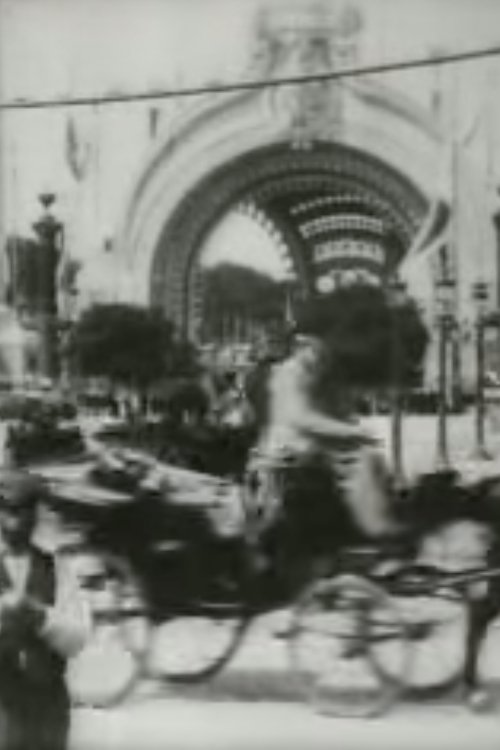
Nicole Védrès' chronicle of Paris from 1900 to 1914 is brought to life through the use of original material, all authentic, secured from more then 700 films belonging to public and private collections. A few of the celebrities of the time shown are Enrico Caruso, Sarah Bernhardt, and Maurice Chevalier.
2019
1897
1900
1896
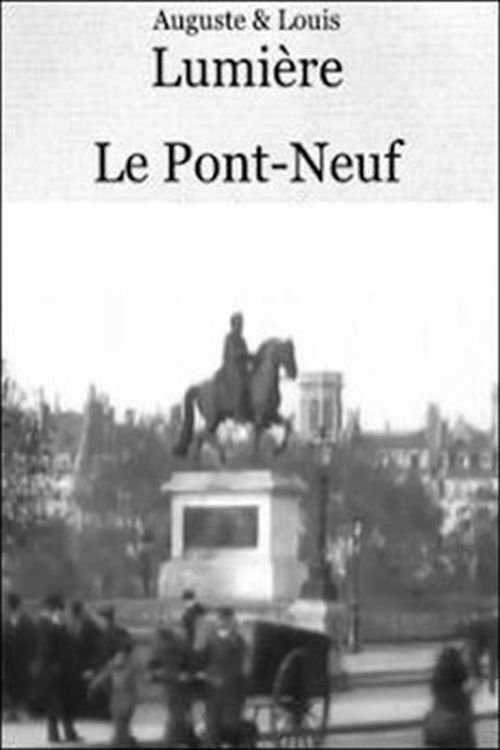
1897
1897
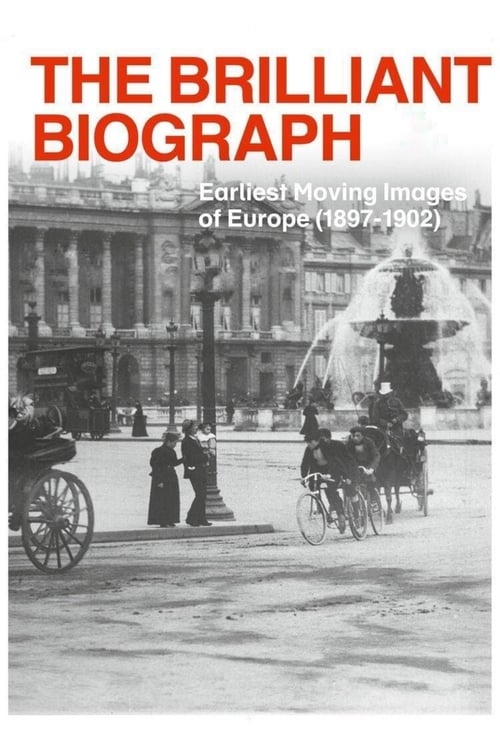
2020
1900
No reviews yet. Be the first to share your thoughts on this movie!
Use the rating form above to leave a star rating and optional review.