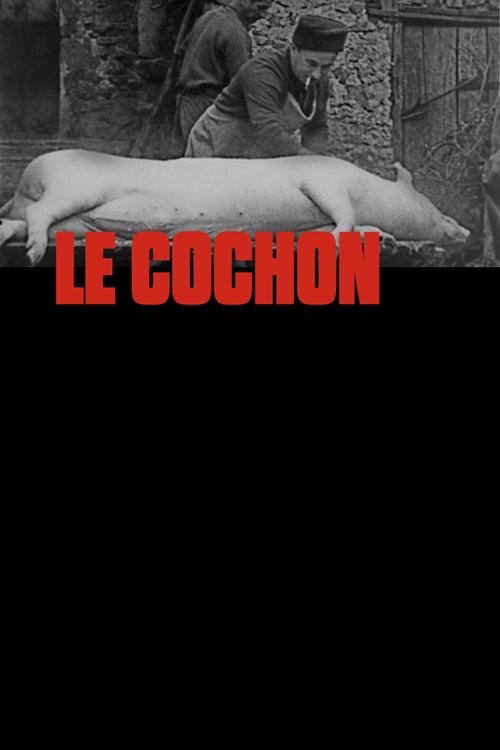
The Pig
1975
No user ratings available yet
Representation score: 3.6 out of 10

Representation Score
Limited
1949
Director
Georges Franju
Runtime
23 minutes
Average Rating
No ratings yetNew Showbiz Analysis
Blood of the Beasts is a work of profound cinematic realism that prioritizes systemic critique over demographic representation. It uses unflinching imagery to challenge the viewer's relationship with capitalism and the civilized veneer of society. While the film lacks diverse casting, its narrative structure is progressive in its deconstruction of Western industrial norms. It opts for a materialist truth that disrupts traditional, comforting depictions of rural life. Ultimately, the film serves as an anti-industrial critique, framing organized food production as a violent disruption to the natural order.
Category Breakdown
The documentary focuses solely on the ecological and industrial cycle of livestock. There is no narrative or character focus on sexual orientation or gender identity.
The film depicts men in high-intensity, physically demanding labor roles. It avoids romanticized depictions of women by focusing on the raw, industrial reality of the working class.
The workforce appears largely uniform, reflecting the demographic realities of the Parisian outskirts in 1949. The film does not utilize diverse ethnic casting as a narrative tool.
Franju critiques industrial capitalism by contrasting bucolic peace with slaughterhouse violence. The film strips away the sanctity of life to reveal the mechanical reality of consumption.
The film focuses on animal subjects and industrial laborers. There is no evidence of characters portrayed with physical or neurodivergent disabilities.
Present on Screen
Limited or Absent
Official Synopsis
An early example of ultra-realism, this movie contrasts the quiet, bucolic life in the outskirts of Paris with the harsh, gory conditions inside the nearby slaughterhouses. Describes the fate of the animals and that of the workers in graphic detail.
1975
1978
1905

1927
2004
2013
2017
2000
No reviews yet. Be the first to share your thoughts on this movie!
Use the rating form above to leave a star rating and optional review.