People of the Po Valley
1947
No user ratings available yet
Representation score: 3.2 out of 10
Representation Score
Fair
1948
Director
Michelangelo Antonioni
Runtime
12 minutes
Average Rating
No ratings yetNew Showbiz Analysis
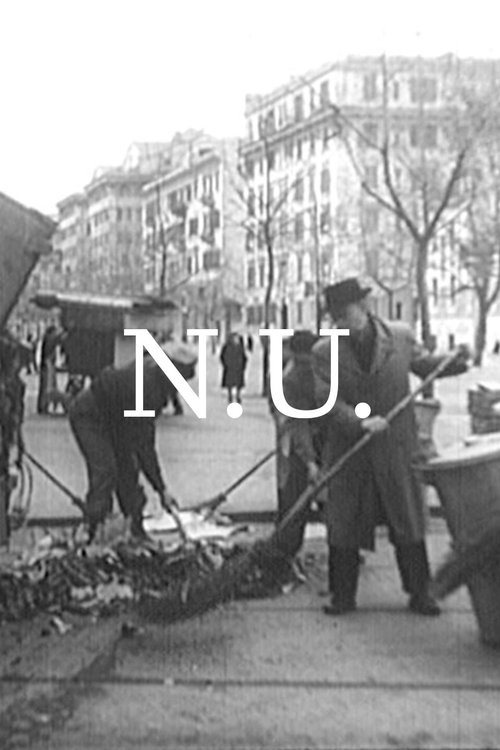
Michelangelo Antonioni’s documentary serves as a social observation of post-war Rome, focusing on the systemic realities of municipal cleaning services. The film prioritizes occupational observation over identity-driven character arcs, which limits explicit representation of specific underrepresented groups. While the work lacks diverse identity-based narratives, it excels in its cultural critique. By centering on the working class, it adheres to Neorealist principles that challenge social hierarchies and highlight the struggles of the underrepresented. Ultimately, the film is a historical snapshot of urban labor. Its value lies in its authentic depiction of the era's demographic realities rather than a modern focus on characters who reflect more than one aspect of diversity.
Category Breakdown
The documentary focuses on municipal labor and urban ecology. There is no explicit mention of LGBTQ+ characters or narratives within the documented lives of the street cleaners.
The film captures the gendered realities of the 1948 Roman workforce. Without specific scene data, the score reflects likely traditional labor hierarchies of the era.
The film provides an unfiltered look at the demographic realities of 1948 Rome. It avoids the curated whitewashing common in studio productions, offering an authentic depiction of the local population.
Aligning with Italian Neorealism, the film critiques traditional institutions by focusing on the invisible labor of street cleaners. This disrupts hierarchies that typically prioritize the social elite.
There is no documented evidence regarding the portrayal of individuals with disabilities in this work.
Present on Screen
Limited or Absent
Official Synopsis
This 1948 film by Antonioni documents the lives of street cleaners in Rome. N.U. is short for Nettezza urbana, the Italian municipal cleaning service.
1947
1929

1949

1927

1948
1948

1948

1974
No reviews yet. Be the first to share your thoughts on this movie!
Use the rating form above to leave a star rating and optional review.