Scene on Lower Broadway
1902
No user ratings available yet
Representation score: 1.0 out of 10
Representation Score
Fair
1931
Not RatedDirector
Jay Leyda
Runtime
13 minutes
Average Rating
No ratings yetNew Showbiz Analysis
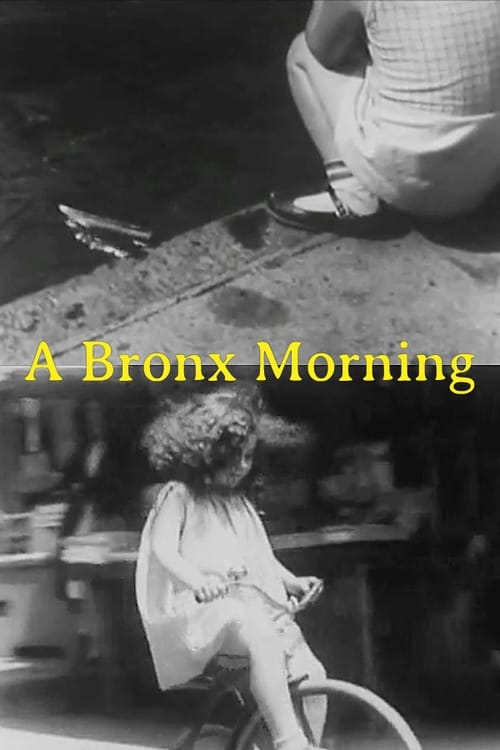
Jay Leyda’s documentary offers a vital ethnographic look at the Bronx in 1931. By utilizing a non-narrative montage of urban life, the film captures the authentic social textures of a metropolitan area in motion. Since the film is observational rather than scripted, it lacks intentional character's ability to drive the story or the subversion of social hierarchies. It functions as a neutral canvas for viewing the overlapping aspects of early 20th-century New York. The work's value lies in its unvarnished realism. It documents a community through its transit, businesses, and daily activities, providing a historical window into a diverse, working-class urban landscape.
Category Breakdown
The film focuses on public spaces and neighborhood activities. Given the time period, explicit depictions of LGBTQ+ identities would have been unlikely, but the documentary format still offers a glimpse into the social fabric of the Bronx.
The montage captures typical neighborhood activities and gendered labor. Women are shown in domestic or commercial settings, while men are depicted in industrial or transit roles, reflecting traditional early 20th-century social structures.
The film likely captures a diverse population within the bustling ethnic center of the 1931 Bronx. It provides a view of a multi-ethnic urban environment through its depiction of local businesses and community life.
The work serves as a realist snapshot of Western urbanism and capitalist activity. It observes a specific socio-economic ecosystem without promoting specific religious ideologies or critiquing existing community structures.
The film captures various citizens in public spaces, but there is no evidence of disability being a central theme or used as a narrative device.
Present on Screen
Limited or Absent
Official Synopsis
Arrival in the Bronx is shown with a view from an elevated train as it enters the city. Then follows a montage of sights from the Bronx. Many typical neighborhood activities are shown, along with scenes from many local businesses.
1902

1927

1948

1929
1896
1899
1896
1903
No reviews yet. Be the first to share your thoughts on this movie!
Use the rating form above to leave a star rating and optional review.