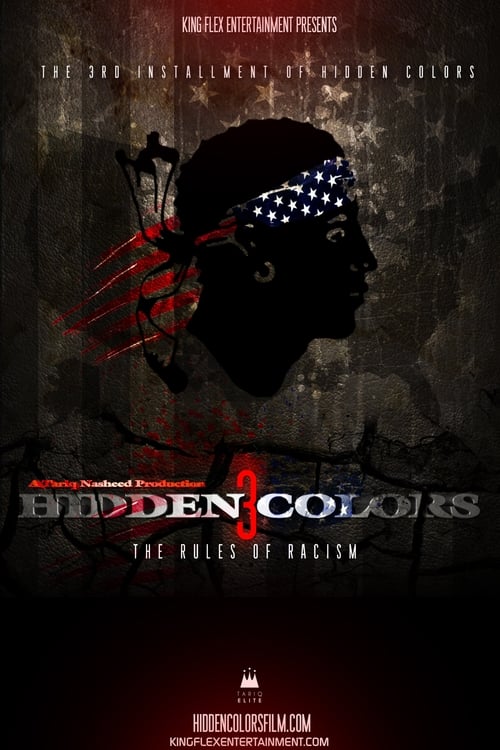
Hidden Colors 3: The Rules of Racism
2014
No user ratings available yet
Diversity score: 8.3 out of 10
2016
Director
Tariq Nasheed
Average Rating
No ratings yetSynopsis
The fourth in King Flex Entertainment's documentary film series about racism.
Overall Score
Excellent
Category Breakdown
LGBTQ+ Representation
The documentary focuses on historical and systemic racial analysis. There is no evidence regarding the depiction of sexual orientation or gender identity.
Gender Representation
The narrative architecture suggests a framework that disrupts traditional patriarchal and colonial hierarchies. However, specific gendered subversions are not explicitly documented.
Racial & Ethnic Diversity
The film demonstrates an exceptional focus on non-Anglo-Saxon history, specifically highlighting West African empires. It prioritizes the agency and historical depth of melanated people.
Religious & Cultural Diversity
The work critiques Western institutions and historical narratives as tools of subjugation. It aligns with anti-colonial perspectives by deconstructing traditional historical truths.
Disability Representation
There is no information regarding the portrayal of physical or neurodivergent disabilities within this work.
Strengths
Areas for Improvement
AI Analysis
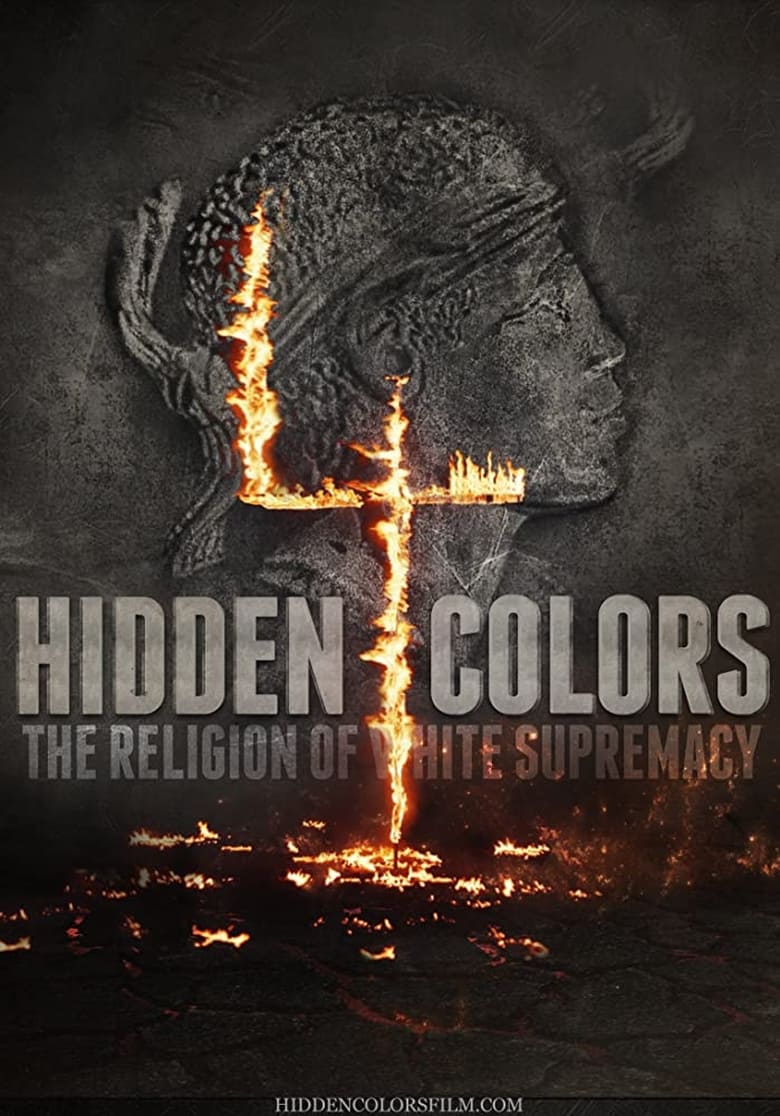
Hidden Colors 4: The Religion of White Supremacy serves as a significant piece of revisionist documentary filmmaking. It intentionally challenges conventional Western historical frameworks by centering the history and agency of West African civilizations. The film disrupts Eurocentric monopolies on historical importance by addressing systemic issues like germ warfare and slave breeding farms. This approach moves beyond mere inclusion to provide a central, systemic examination of the experiences of people of color. By prioritizing identity-based historical analysis and critiquing established global hierarchies, the documentary provides a platform for narratives often excluded from mainstream discourse.
2014
2017
2021
2011
2012

2017

2000
2016
1985
2015
2011
2005
No reviews yet. Be the first to share your thoughts on this movie!
Use the rating form above to leave a star rating and optional review.