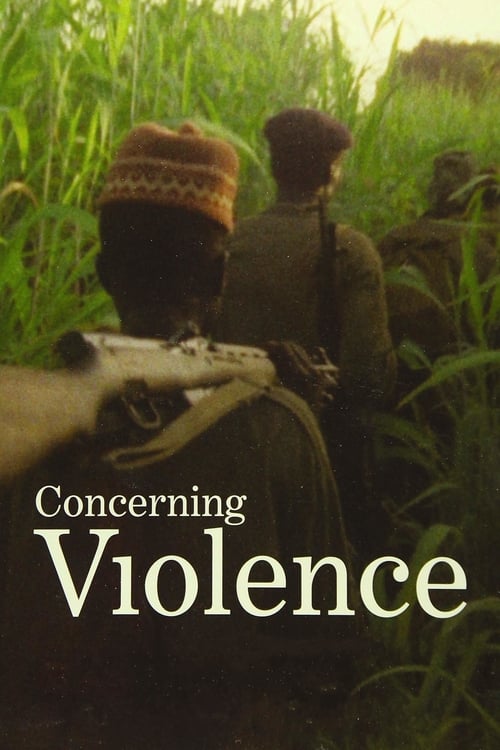
Concerning Violence
2014
No user ratings available yet
Representation score: 8.7 out of 10

Representation Score
Fair
1968
Director
Sara Gómez
Runtime
22 minutes
Average Rating
No ratings yetNew Showbiz Analysis
Sara Gómez creates a sophisticated documentary that goes beyond simple observation to examine the lingering impacts of colonialism. By integrating Frantz Fanon’s theories, the film explores how racial and class hierarchies persist even in a restructured society. The film centers Afro-Cuban identity and challenges Western social norms. It portrays the shift towards a new collective identity as a necessary struggle against outdated individualistic mindsets. While the film offers a profound study of identity politics, it lacks representation for LGBTQ+ individuals and does not address disability issues.
Category Breakdown
The film focuses on race, class, and the revolutionary collective. There are no LGBTQ+ characters or narratives present.
Women are shown actively participating in the nation's social and political restructuring. The film highlights the tension between traditional gender roles and the growing independence of women.
The film provides a thorough analysis of Afro-Cuban identity and colorism. It places Black identity at the center of the national narrative to challenge the lasting effects of colonization.
The narrative is explicitly anti-colonial and anti-capitalist. It critiques Western values like individualism and consumerism as barriers to collective progress.
There is no significant focus on visible or invisible disabilities within the film's depiction of daily life.
Present on Screen
Limited or Absent
Official Synopsis
In this film, Sara Gómez documents the everyday life of the Isla de Pinos, the discussions about the problems of construction, the school and the leisure activities of the youth in 1968 and contextualizes these images with Frantz Fanon's thoughts about the construction of a nation through decolonization.
2014

2017

1963

1964
1968

1972

1959
1971
No reviews yet. Be the first to share your thoughts on this movie!
Use the rating form above to leave a star rating and optional review.