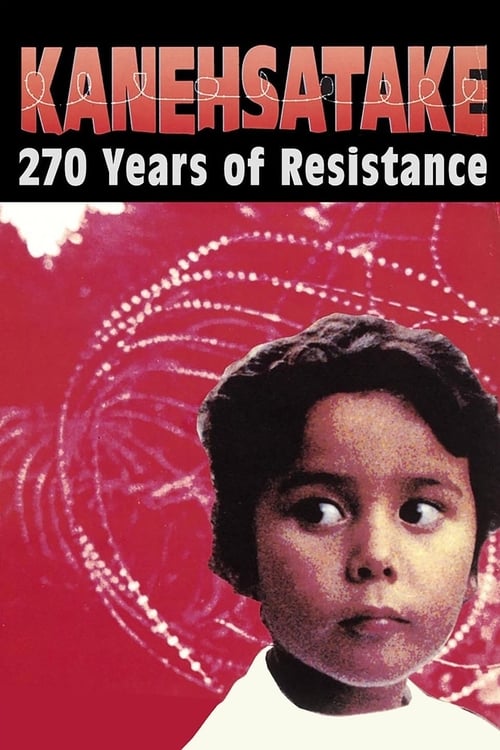
Kanehsatake, 270 Years of Resistance
1993
No user ratings available yet
Representation score: 5.0 out of 10

Representation Score
Fair
2000
Director
Alanis Obomsawin
Runtime
106 minutes
Average Rating
No ratings yetNew Showbiz Analysis
Alanis Obomsawin’s documentary is a profound examination of institutional oppression. By centering the Mohawk experience during the Oka crisis, the film dismantles state-sanctioned narratives and highlights Indigenous ability to act and resistance. The film effectively deconstructs the perceived moral superiority of Western institutions. It moves beyond simple representation to provide a sophisticated critique of systemic colonial and capitalist oppression.
Category Breakdown
The film does not include specific depictions of LGBTQ+ identities. While the themes of sovereignty may relate to queer liberation, no queer characters are confirmed.
The narrative challenges traditional masculine views of military conflict by highlighting the role of Mohawk women. It emphasizes communal resilience and social structures over hierarchical structures.
This work offers exceptional representation by centering the Mohawk population as primary narrative agents. It serves as a direct critique of racial prejudice and historical Indigenous displacement.
The film critiques Western institutions by portraying colonial authority as inherently oppressive. It frames the Mohawk struggle as a resistance against capitalist and colonial expansion.
There is no evidence regarding the portrayal of physical or neurodivergent disabilities within this documentary.
Present on Screen
Limited or Absent
Official Synopsis
The fourth film in Alanis Obomsawin's landmark series on the Oka crisis uses a single, shameful incident as a lens through which to examine the region's long history of prejudice and injustice against the Mohawk population.
1993

1977
2003
2012

2013

2011

2017
2012
No reviews yet. Be the first to share your thoughts on this movie!
Use the rating form above to leave a star rating and optional review.