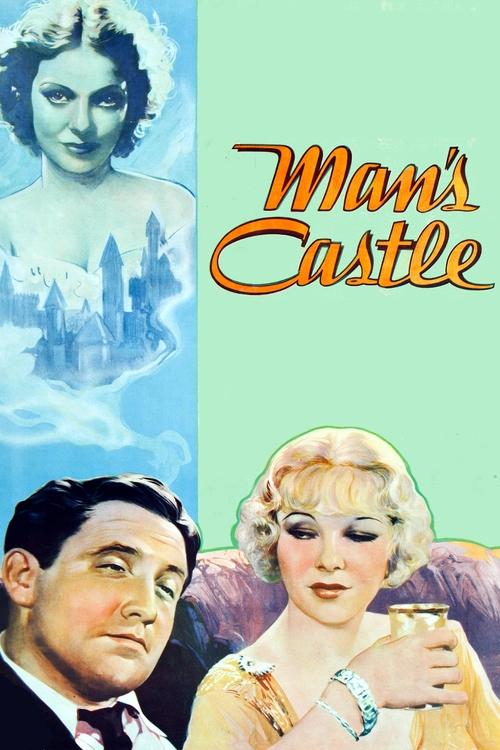
Man's Castle
1933
No user ratings available yet
Representation score: 1.0 out of 10

Representation Score
Fair
1944
ApprovedDirector
Clifford Odets
Runtime
113 minutes
Average Rating
No ratings yetNew Showbiz Analysis
Clifford Odets' drama offers a complex examination of the human condition by emphasizing socioeconomic realism over traditional moralism. The film excels in providing psychological depth to its female characters, moving beyond mere background roles to drive the plot's emotional core. However, the film is heavily influenced by the social norms of 1944. It lacks meaningful racial and LGBTQ+ representation, resulting in a homogeneous cast and a strictly straight-centered romantic framework. Ultimately, the work explores moral relativity. While it does not meet modern multi-layered standards, it challenges social stability by illustrating how economic desperation can force characters to subvert legal and social institutions.
Category Breakdown
The film centers on traditional heterosexual relationships and unrequited love. It does not include any representation of non-binary gender identities or challenge conventional sexual orientation clichés.
Women play key roles in driving the emotional stakes and navigating complex psychological landscapes. This focus on female interiority presents a nuanced shift away from purely patriarchal storylines.
The cast is mainly composed of white actors, reflecting the casting norms of 1944 urban dramas. The narrative lacks diverse casting or characters who reflect more than one aspect of diversity to challenge societal structures.
The story dismantles traditional stability by depicting systemic poverty as a source of moral ambiguity. It complicates idealized family models through portrayals of financial hardship.
A sickly mother serves as a primary narrative driver. However, her character primarily functions as a plot device for the male protagonist rather than exploring her own choices.
Present on Screen
Limited or Absent
Official Synopsis
When an itinerant reluctantly returns home to help his sickly mother run her shop, they're both tempted to turn to crime to help make ends meet.
1933

1945

1940

1937
1940
1949
1934

1951
No reviews yet. Be the first to share your thoughts on this movie!
Use the rating form above to leave a star rating and optional review.