In Name Only
1939
No user ratings available yet
Diversity score: 4.3 out of 10
1942
ApprovedDirector
John Huston
Runtime
97 minutes
Average Rating
No ratings yetSynopsis
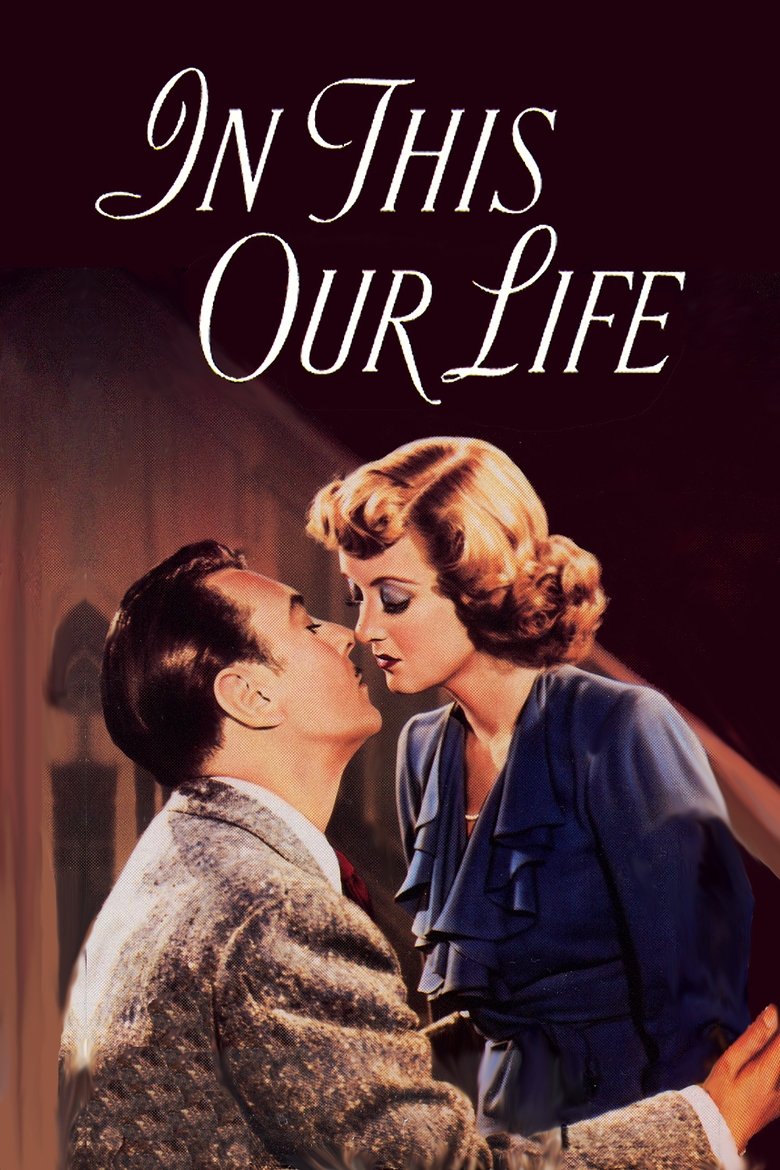
An unhappy, self-centered woman runs off with her sister's husband, wreaking havoc and ruining the lives of those around her.
Overall Score
Fair
Category Breakdown
LGBTQ+ Representation
The film lacks LGBTQ+ characters or non-cisnormative identities. The narrative remains strictly centered on traditional heteronormative relationship structures.
Gender Representation
The story disrupts mid-century hierarchies by centering female agency and resilience. Characters like Pat drive the plot, navigating patriarchal economic structures through their own desires and decisions.
Racial & Ethnic Diversity
The cast is predominantly white, reflecting the 1942 production context. There is no significant minority representation or evidence of color-blind casting.
Religious & Cultural Diversity
The film provides a sophisticated critique of Western economic institutions. It frames character suffering as a systemic failure of the economic order rather than a personal moral failing.
Disability Representation
There is no discernible representation of physical, sensory, or neurodivergent disabilities within the narrative.
Strengths
Areas for Improvement
AI Analysis
In This Our Life is a period-specific study of socioeconomic volatility. It succeeds by subverting traditional gender roles, placing female agency at the heart of a drama often dominated by male stability. However, the film is limited by the social constraints of 1942. It lacks intersectional diversity, offering almost no representation for LGBTQ+ individuals or people of color. Ultimately, the film's strength lies in its thematic depth. It uses a lens of moral relativism to critique systemic economic failures and the struggle of the working class.
1939
1940
1949

1953

1949

1947

1933

1929
1957
1955
1933
1955
No reviews yet. Be the first to share your thoughts on this movie!
Use the rating form above to leave a star rating and optional review.