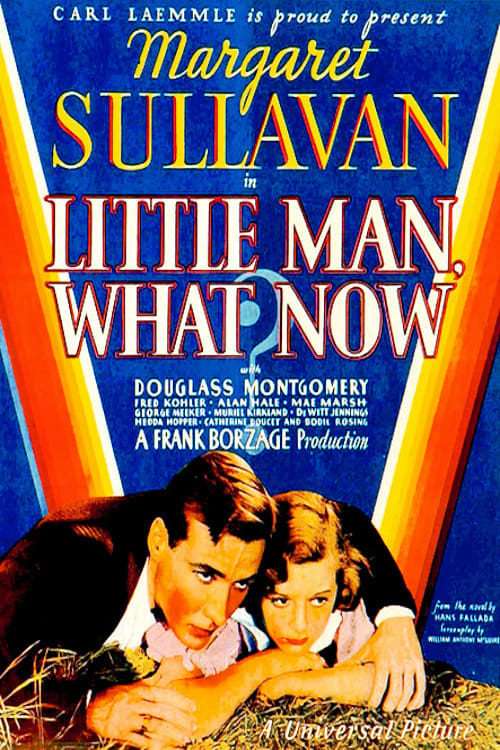
Little Man, What Now?
1934
No user ratings available yet
Representation score: 1.2 out of 10

Representation Score
Limited
1940
NRDirector
Gregory La Cava
Runtime
93 minutes
Average Rating
No ratings yetNew Showbiz Analysis
Primrose Path stands out for its psychological depth, particularly regarding its female protagonist. While the film is historically limited in its demographic variety, it avoids the era's typical moralistic traps by focusing on emotional complexity. The narrative shifts the weight of the story onto the female experience, presenting a sophisticated deconstruction of the mid-century domestic ideal. This makes it a significant departure from the conservative cinematic norms of 1940. However, the film remains a product of its time, lacking any meaningful representation of LGBTQ+ identities, racial diversity, or disability.
Category Breakdown
The film does not include any visible LGBTQ+ narratives. Character interactions stay within a framework that assumes everyone is straight or cisgender.
Ellie Mae drives the plot through her pursuit of emotional fulfillment. The film challenges traditional gender roles by showing male characters as emotionally unstable or ineffective.
The cast is predominantly white and lacks diversity. There is no evidence of intentional racial blending or characters of color.
The narrative uses moral relativism to critique marriage as a potentially oppressive structure. It prioritizes individual emotional survival over rigid social standards.
There are no prominent depictions of physical or neurodivergent disabilities within the main character arcs.
Present on Screen
Limited or Absent
Official Synopsis
Ellie Mae lives on Primrose Hill with her good-hearted and fancy free mother, her drunken father, her younger sister and a mean-spirited grandmother. The Hill is not a good part of town, however. When she meets and falls for a hard-working man, they marry and she hides her past from him. When he discovers the truth it jeopardizes their marriage.
1934

1930
1940

1920

1930

1952

1944
1927
No reviews yet. Be the first to share your thoughts on this movie!
Use the rating form above to leave a star rating and optional review.