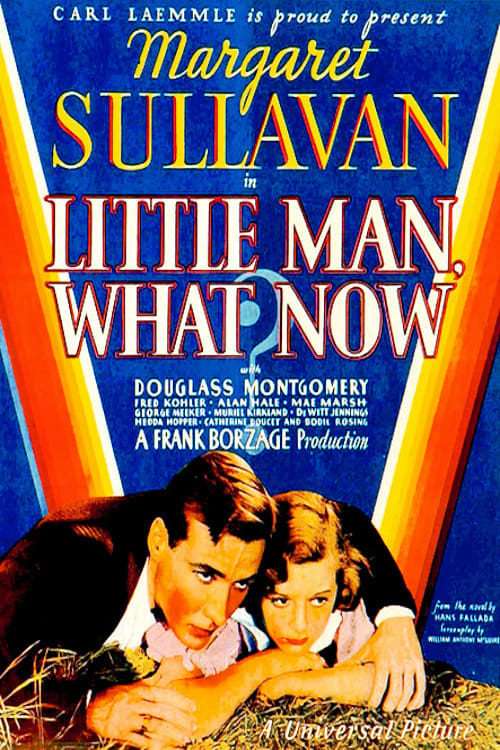
Little Man, What Now?
1934
No user ratings available yet
Representation score: 1.2 out of 10
Representation Score
Minimal
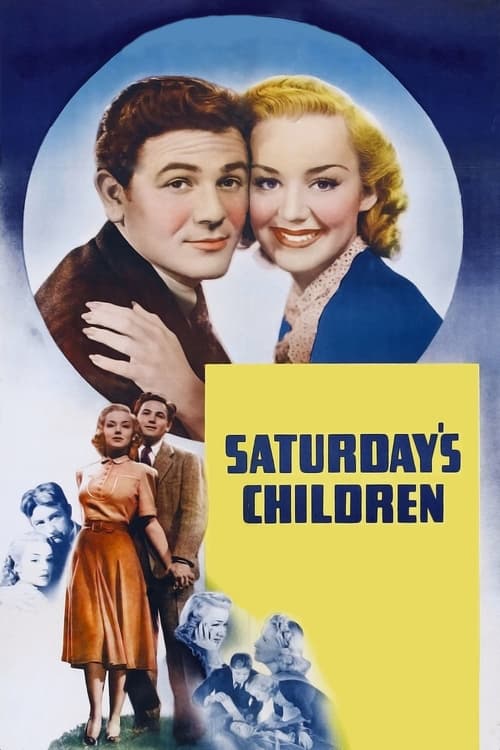
1940
NRDirector
Vincent Sherman
Runtime
102 minutes
Average Rating
No ratings yetNew Showbiz Analysis
Saturday's Children is a social drama set in the 1940s that adheres closely to the demographic and social norms of the time. It lacks diverse representation in terms of race, gender, and disability. However, it offers a nuanced critique of the economic and social structures of the Great Depression era, framing social issues as systemic failures rather than moral ones.
Category Breakdown
The film does not include any identifiable LGBTQ+ characters or representations of non-straight relationships. It focuses solely on the traditional family structure within the context of the 1940s.
The film adheres to traditional gender roles typical of the era, emphasizing the economic pressures faced by men and offering limited exploration of female intellect.
The narrative centers around a homogeneous white, working-class family with no significant representation of racial or ethnic diversity.
The film critiques the economic structures of the Great Depression, showing how capitalist failures and systemic issues led to the breakdown of family units.
There are no significant portrayals of physical or cognitive disabilities that play a central role in the narrative.
Present on Screen
Limited or Absent
Official Synopsis
An inventor and his bride get testy in the city as they try to make ends meet.
1934

1930

1938
1928

1947

1942
1944

1953
No reviews yet. Be the first to share your thoughts on this movie!
Use the rating form above to leave a star rating and optional review.