Part-Time Work of a Domestic Slave
1973
No user ratings available yet
Diversity score: 5.8 out of 10
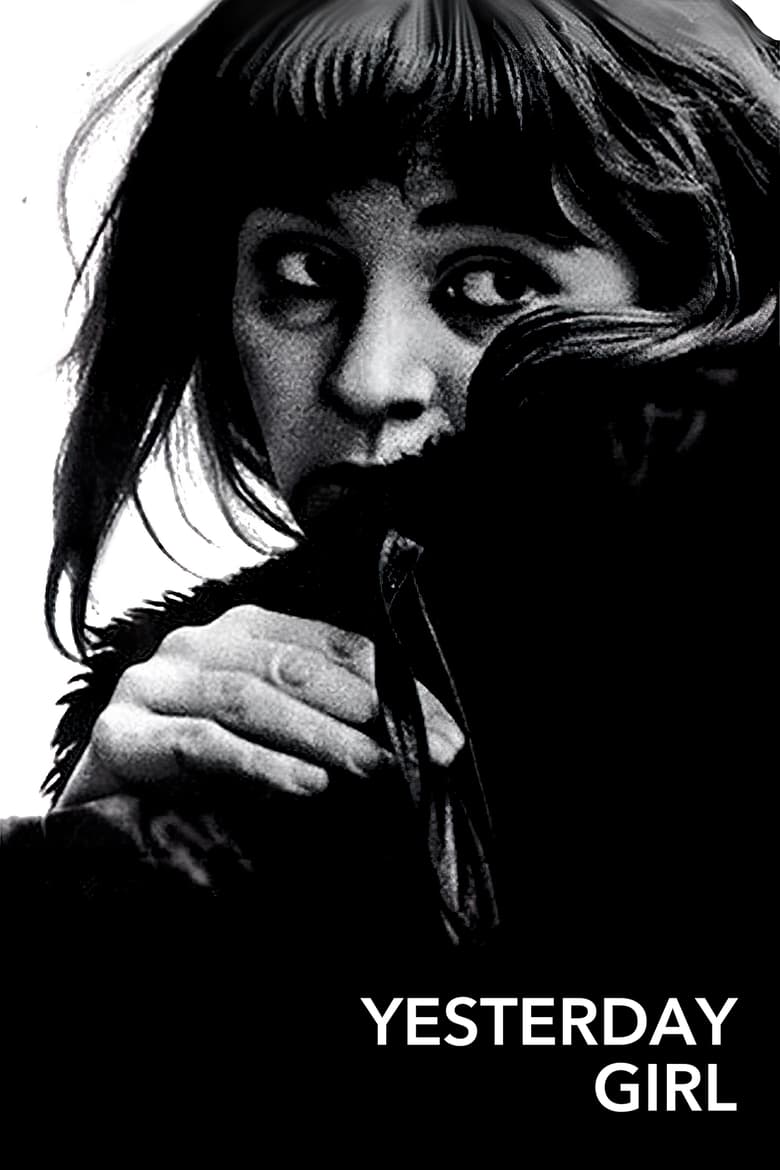
1967
Director
Alexander Kluge
Runtime
88 minutes
Average Rating
No ratings yetSynopsis
A young German woman searches for happiness, liberation, and independence in the illusive wake of a transformative national recovery.
Overall Score
Fair
Category Breakdown
LGBTQ+ Representation
The film focuses on the protagonist navigating heteronormative social structures. There is no explicit evidence of queer subtext or non-cisnormative identities within the character arcs.
Gender Representation
The narrative disrupts conventional femininity by centering on a woman's subjective experience of independence. It prioritizes female consciousness over the male-driven plot structures common in the 1960s.
Racial & Ethnic Diversity
The cast and setting are predominantly homogeneous, reflecting the provincial West German context of 1967. The film lacks significant racial diversity or subversion of casting norms.
Religious & Cultural Diversity
The film critiques the stagnation of post-war West German provincial life. It uses fragmented storytelling to challenge the conformity of the era's social structures and economic miracle.
Disability Representation
There are no prominent depictions of physical or neurodivergent disabilities. The focus remains on psychological alienation rather than the lived experience of disability.
Strengths
Areas for Improvement
AI Analysis
Yesterday Girl stands as a formalist disruption of traditional cinematic norms. By centering a woman's internal alienation and subjective experience, it successfully challenges the patriarchal storytelling typical of its era. However, the film is demographically narrow. It operates within a homogeneous, white, West German framework that lacks racial diversity and offers no explicit LGBTQ+ representation or disability narratives. Ultimately, the film's strength lies in its cultural critique of social conformity rather than its demographic breadth. It prioritizes psychological and structural subversion over intersectional representation.
1973
1968
2016

1963

2015

1966

1999
1976
1965
1969

1972

1975
No reviews yet. Be the first to share your thoughts on this movie!
Use the rating form above to leave a star rating and optional review.