
Body
2015
No user ratings available yet
Representation score: 6.7 out of 10
Representation Score
Good
2008
Director
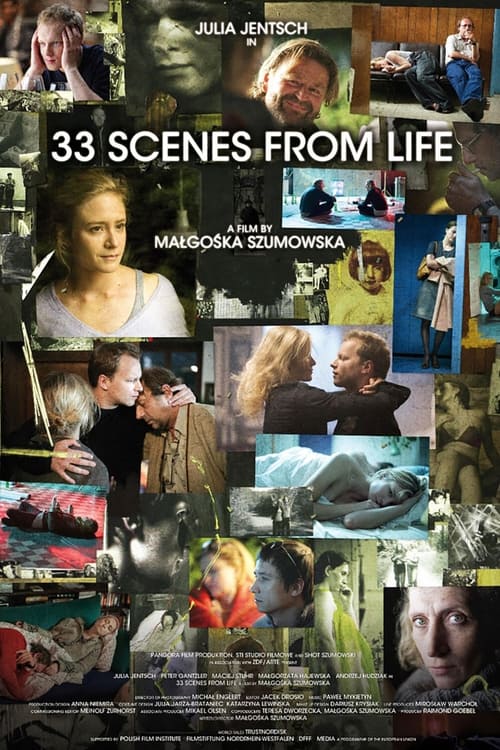
Małgorzata Szumowska
Runtime
100 minutes
Average Rating
No ratings yetNew Showbiz Analysis
The film excels at deconstructing traditional social hierarchies and gender roles. By centering Julia's autonomy amidst the failures of the men in her life, it provides a nuanced look at female empowerment during crisis. However, the work lacks demographic breadth. The narrative is culturally and racially homogeneous, focusing strictly on a specific Polish context without multi-layered engagement. Ultimately, the film prioritizes deep psychological inquiry over broad representation. It emphasizes existential themes and the breakdown of traditional structures over a diverse cast of identities.
Category Breakdown
The film focuses on the breakdown of a traditional marriage without explicitly addressing queer identities or non-straight relationships. Instead, it highlights the isolation within conventional partnerships.
Julia is shown as a strong, independent woman navigating grief and abandonment, rather than a submissive figure. The narrative challenges the stable male provider stereotype by emphasizing the inadequacies of male characters.
Set in Kraków, the film features a homogeneous cast. It does not engage with multi-layered racial or ethnic diversity, focusing instead on the social dynamics of a specific Polish demographic.
The vignette structure challenges cohesive life narratives through moral relativism. It critiques the reliability of traditional social institutions, like the nuclear family, by depicting them as fragile or corrosive.
Terminal illness serves as a catalyst for existential crises rather than a study of disability. The film avoids inspirational stories, focusing instead on the harsh realities of physical frailty.
Present on Screen
Limited or Absent
Official Synopsis
The Polish artist Julia and her husband Piotr, a talented and successful composer, live in Kraków. When Julias's mother, Barbara falls ill with stomach cancer, the life of the family is falling apart. Julia accompanies her mother to death, but her husband Piotr is at rehearsals in Cologne and leaves her to cope with this difficult situation. Only her friend Adrian is at her side. Her father Jurek is also overwhelmed by the impending loss of his beloved wife. After the death of the mother her father takes comfort from alcohol. Shortly after the father dies. Julia found only in the arms of Adrian to rest, but this in turn destroyed her marriage to Piotr. After the loss of the parents and break up of the marriage she is now alone in the world with an uncertain future where Adrian is of little help
2015
2015

2012
2001

2003
2011

2004

2001
No reviews yet. Be the first to share your thoughts on this movie!
Use the rating form above to leave a star rating and optional review.