Diary for My Children
1984
No user ratings available yet
Representation score: 7.8 out of 10
Representation Score
Good
1992
Director
István Szabó
Runtime
81 minutes
Average Rating
No ratings yetNew Showbiz Analysis
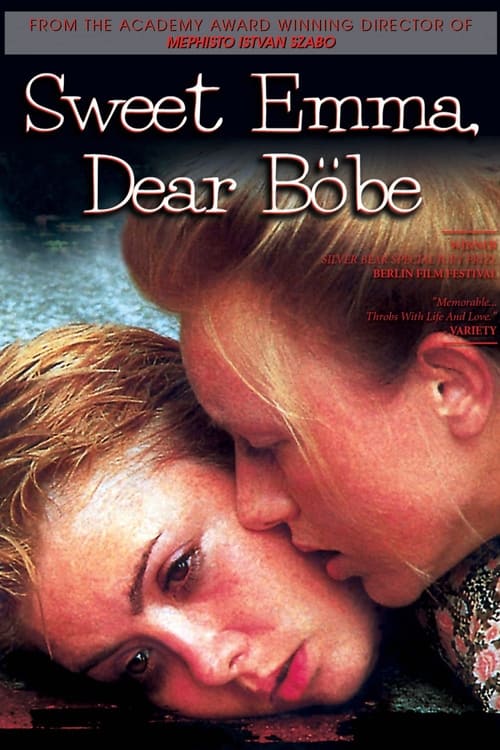
István Szabó’s drama is a sophisticated study of women's ability to drive the story amidst political upheaval. By centering the narrative on Emma and Böbe, the film challenges traditional wartime clichés that often sideline women. The film's strength lies in its nuanced exploration of moral relativism and situational ethics during political transitions. It avoids didacticism, instead showing how individuals navigate systemic shifts between wartime chaos and a restructured social order. However, the film lacks diversity by modern standards. The historical setting results in a lack of racial and ethnic diversity, and the narrative does not explicitly center LGBTQ+ identities.
Category Breakdown
The film explores deep intimacy and strong emotional connections between the two female protagonists, but it does not center LGBTQ+ identities as a primary plot driver within its 1940s setting.
Emma and Böbe take active roles in driving the story, navigating shifting political regimes and making their own decisions. They are not passive victims but rather the primary drivers of their own destinies.
Set in mid-20th-century Budapest, the cast is predominantly white and Hungarian, reflecting the demographic homogeneity of its historical period and location.
The story excels at portraying moral relativism and the gray areas of survival. It examines how personal identity breaks down under the pressure of shifting state ideologies.
The narrative focuses on socioeconomic and political struggles rather than disability. While it touches on the psychological toll of war, no specific disabilities are portrayed with dedicated ability to act.
Present on Screen
Limited or Absent
Official Synopsis
The story shows Emma's and Böbe's fight for survival, for keeping their position in society which they achieved with hard work in the previous regime. They don't want to lose their place and become village girls again.
1984
1978
1978
1979
1968
1994

1987

1973
No reviews yet. Be the first to share your thoughts on this movie!
Use the rating form above to leave a star rating and optional review.