
Diary for My Loves
1987
No user ratings available yet
Representation score: 7.5 out of 10

Representation Score
Good
1984
UnratedDirector
Márta Mészáros
Runtime
106 minutes
Average Rating
No ratings yetNew Showbiz Analysis
Márta Mészáros presents a personal study of female resilience within a restrictive political environment. The film excels by focusing on the psychological journey of women navigating the aftermath of Stalinist oppression. While the narrative offers a rich cultural critique of state authority, it remains limited in its demographic scope. The focus on a specific Hungarian historical context restricts racial and LGBTQ+ representation. Ultimately, the film is a powerful challenge to traditional hierarchies, trading globalized diversity for a focused, intense examination of gendered resilience and political trauma.
Category Breakdown
The film focuses on political and family trauma rather than explicit LGBTQ+ identities. It does not include any non-traditional gender identities or same-sex relationships.
The story centers on the female experience through Juli and Magda. It highlights female resilience and intellectual work against a backdrop of political oppression.
Set in Budapest and the Soviet Union, the film focuses on a specific Eastern Bloc context. It does not have a multi-ethnic cast due to its localized historical setting.
The narrative provides a deep critique of Soviet-era state oppression. It emphasizes individual memories over the corrupt official histories of political institutions.
The film explores psychological trauma and the invisible wounds of the past. However, it does not depict any characters with physical or sensory disabilities.
Present on Screen
Limited or Absent
Official Synopsis
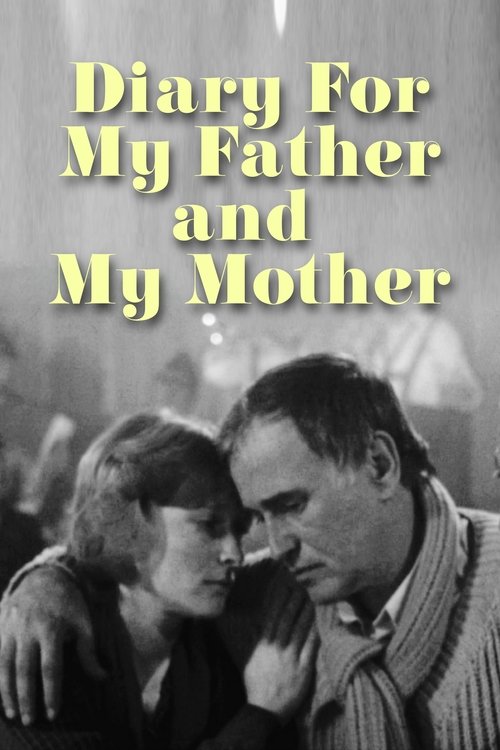
After having lost her parents, young Juli returns from the Soviet Union to her native Budapest. Scarred by the wounds of the past, the ghost of Stalin’s oppression haunts her as she reunites with her aunt and adoptive mother Magda.
1987

1985

2004

1985

1968

2018
1990

2019
No reviews yet. Be the first to share your thoughts on this movie!
Use the rating form above to leave a star rating and optional review.