L'Amour fou
1969
No user ratings available yet
Representation score: 6.5 out of 10
Representation Score
Good
1967
Director
Paul Seban, Marguerite Duras
Runtime
81 minutes
Average Rating
No ratings yetNew Showbiz Analysis
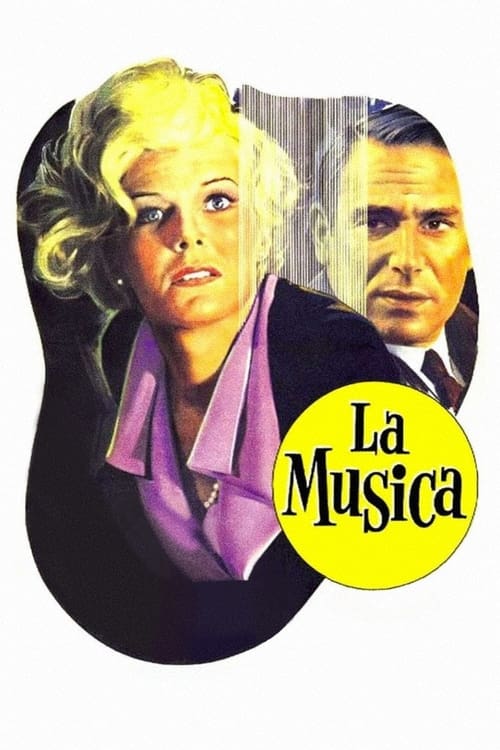
La Musica is a film that challenges traditional Western social structures. It rejects stable family units and linear, male-dominated stories in favor of a fragmented, personal approach. While it doesn't have much racial or LGBTQ+ diversity, it successfully questions old cinematic norms by focusing on memory and sensory experiences. The film's strength lies in its narrative structure, which highlights the female experience and prioritizes personal perception over institutional norms.
Category Breakdown
The film avoids typical romantic storylines and focuses on fragmented, personal experiences rather than traditional courtship. It does not include non-binary or non-straight identities explicitly.
The movie centers on the female perspective and the female viewpoint, challenging traditional male-dominated narratives by focusing on the protagonist's inner thoughts and feelings.
The production features a homogeneous cast. There is no documented evidence of significant racial or ethnic diversity or non-white protagonists.
The film questions traditional institutions by showing the family unit as a place where things fall apart. It emphasizes individual viewpoints over institutional truths.
The film does not show physical or neurological disabilities directly. However, it focuses on sensory perception, which might hint at non-typical cognitive processes, but there are no specific characters with disabilities.
Present on Screen
Limited or Absent
Official Synopsis
A husband and wife meet three years after their formal separation, when they return to the provincial town where they once lived to pick up their divorce decree.
1969

1963
1960
1956
1965

1979
1963
1969
No reviews yet. Be the first to share your thoughts on this movie!
Use the rating form above to leave a star rating and optional review.