
Nine Months
1976
No user ratings available yet
Representation score: 3.6 out of 10

Representation Score
Fair
1973
Director
Márta Mészáros
Runtime
81 minutes
Average Rating
No ratings yetNew Showbiz Analysis
Riddance is a powerful exploration of a woman's intellectual and emotional autonomy set against the backdrop of social performance. It places a woman's independence at the center of the drama, effectively challenging the stereotype of the passive romantic interest. However, the film is limited by its specific historical and geographical setting. The absence of LGBTQ+ and racial diversity reflects the era's social context rather than a deliberate effort at inclusive representation. Ultimately, the film's strength lies in its critique of systemic pressures. It uses the protagonist's struggle against social lies to challenge the stability of traditional institutions.
Category Breakdown
The film adheres to the assumption that everyone is straight or cisgender, typical of 1970s Hungary. It does not depict non-traditional gender roles or same-sex relationships, focusing instead on conventional relationships.
Mészáros challenges traditional gender roles by emphasizing the female perspective and subjectivity. Jutka plays a significant role in driving the story, moving from a socially accepted position to active rebellion against patriarchal demands.
The film features a homogeneous cast reflecting its specific Hungarian New Wave context. There is no evidence of diverse racial backgrounds or actors from different ethnicities.
The story critiques social institutions by portraying the performance of class and status as an oppressive force. It prioritizes individual truth over the conformity required by traditional hierarchies.
There are no noticeable depictions of physical or neurodivergent disabilities that serve as central narrative elements in this work.
Present on Screen
Limited or Absent
Official Synopsis
Jutka, a young woman who works in a factory, falls in love with Andras, a university student. She pretends to be a student, to him and to his parents, and begins to live a lie. Finally she rebels against Andras and his demands and the social conventions that forced her to live a lie.
1976

1957
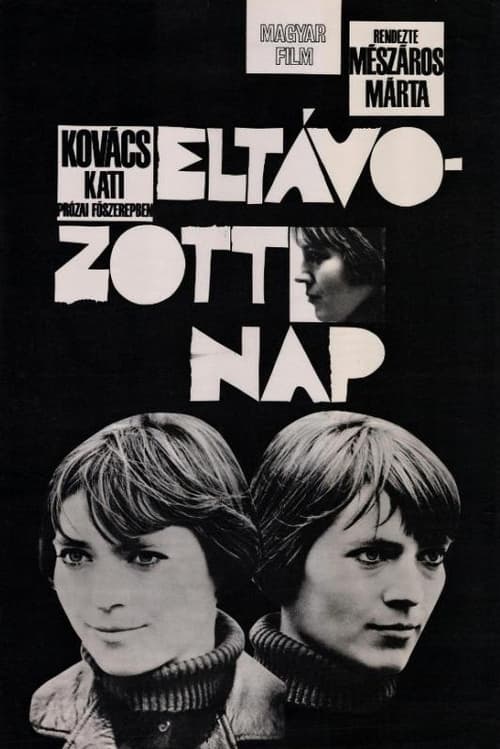
1968
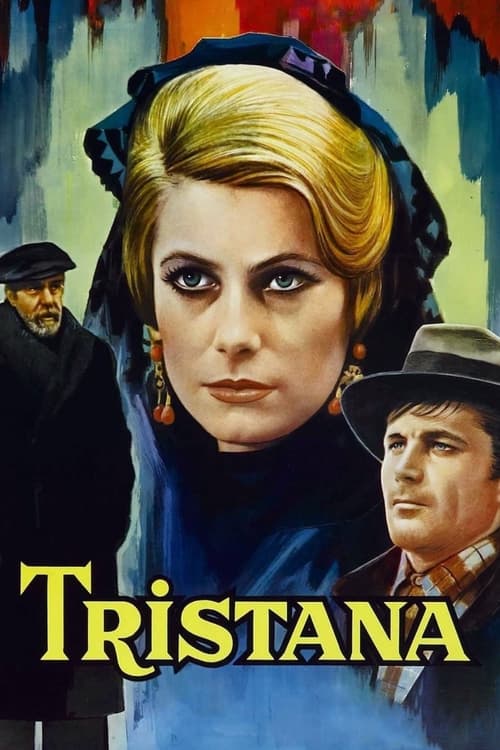
1970
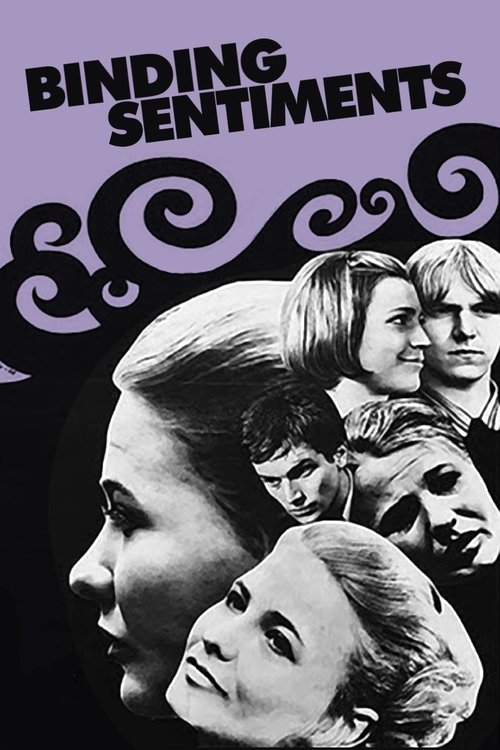
1969
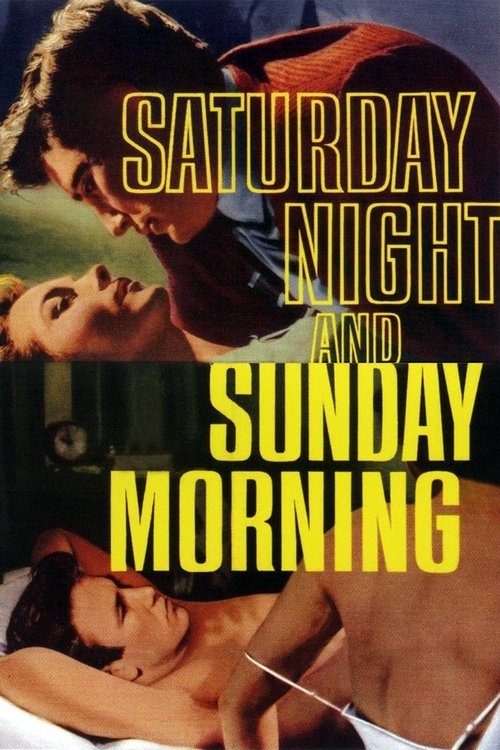
1960

1975
1961
No reviews yet. Be the first to share your thoughts on this movie!
Use the rating form above to leave a star rating and optional review.