The Beggar's Deceit
1900
No user ratings available yet
Representation score: 1.3 out of 10

Representation Score
Limited
1908
UnratedDirector
J. Stuart Blackton
Runtime
6 minutes
Average Rating
No ratings yetNew Showbiz Analysis
J. Stuart Blackton’s comedy relies on physical absurdity and class-based interactions. While the film lacks depth in terms of social and identity-based politics, it provides a rare early instance of a character with a physical disability driving the narrative through moral actions. The film operates within the demographic constraints of the early 20th century, focusing on a male-centric, likely homogeneous cast. The central conflict is driven by class and bodily autonomy rather than broader social or identity-based issues. Ultimately, the work functions as a surrealist comedy. It uses disability as a catalyst for slapstick humor, though it avoids pure mockery by centering the protagonist's character.
Category Breakdown
The film does not include any characters with LGBTQ+ identities or non-cisgender identities. The story focuses solely on a male interaction, without any queer perspectives.
The story centers on a male-dominated interaction between a peddler and a wealthy man. There are no visible roles for women or challenges to traditional gender roles.
The film does not specify the racial identities of its cast. It likely reflects the homogeneous casting standards typical of early 1908 silent cinema.
The plot offers a comedic critique of class structures through the interaction of a peddler and a benefactor. It relies on traditional moral reciprocity rather than systemic critique.
A one-armed peddler drives the plot through an act of integrity. While the sentient prosthetic serves as a slapstick device, the protagonist maintains significant control over the narrative through moral actions.
Present on Screen
Limited or Absent
Official Synopsis
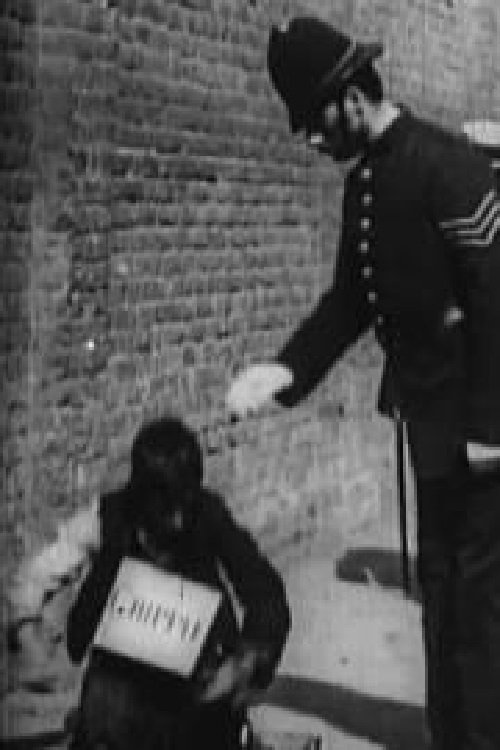
A one-armed street peddler notices that a well-to-do man has dropped his ring. He returns it to him. The wealthy man is very grateful and, to show his appreciation, takes the peddler to a 'Limb Store', where he buys him a new arm. The recipient soon discovers that this new arm has a will of its own - causing him considerable embarrassment.
1900

1924
1906
1904
1906
1905

1909
1900
No reviews yet. Be the first to share your thoughts on this movie!
Use the rating form above to leave a star rating and optional review.