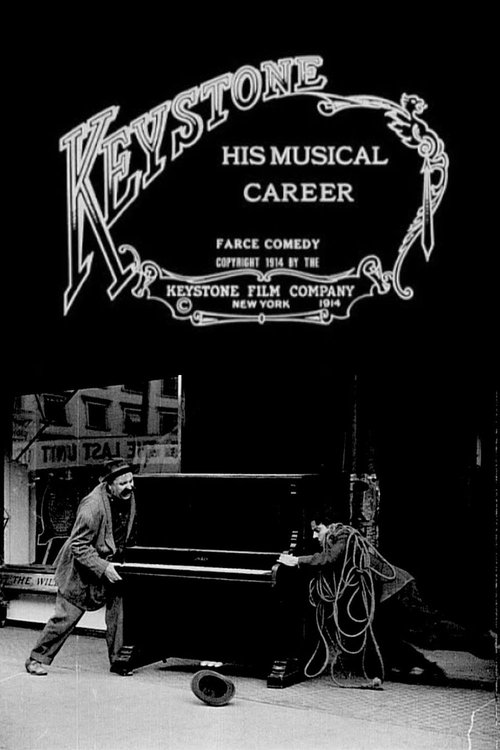
His Musical Career
1914
No user ratings available yet
Representation score: 1.7 out of 10

Representation Score
Minimal
1914
NRDirector
Charlie Chaplin
Runtime
12 minutes
Average Rating
No ratings yetNew Showbiz Analysis
This early Chaplin short functions primarily as a vehicle for physical slapstick rather than social commentary. While Chaplin would later become known for systemic critiques, this film adheres to the conventional comedic structures of 1914. The narrative lacks depth in addressing multiple aspects of identity, focusing on individual mishaps within a barbershop setting. It does not attempt to challenge the social expectations or power dynamics of its era. Ultimately, the film reflects the homogeneous casting and traditional archetypes common to early silent cinema, prioritizing humor over progressive representation.
Category Breakdown
The film contains no depictions of queer identities or stories outside of traditional heterosexual relationships. Character dynamics remain strictly within traditional comedic frameworks.
Gendered stereotypes drive much of the humor, specifically through a male character's incompetence around a female customer. This relies on slapstick humor rather than a deeper critique of societal norms.
The cast appears largely homogeneous, reflecting the standard casting practices of the early 20th century. There is no evidence of efforts to include diverse racial backgrounds.
The story focuses on working-class service labor without challenging Western institutions. It prioritizes individual professional mistakes over socioeconomic or secularist themes.
A character in a wheelchair is present, but the portrayal serves a primarily comedic purpose. The film lacks evidence of a significant role in driving the story or transformative representation for the character.
Present on Screen
Limited or Absent
Official Synopsis
Charlie takes care of a man in a wheelchair.
1914

1923
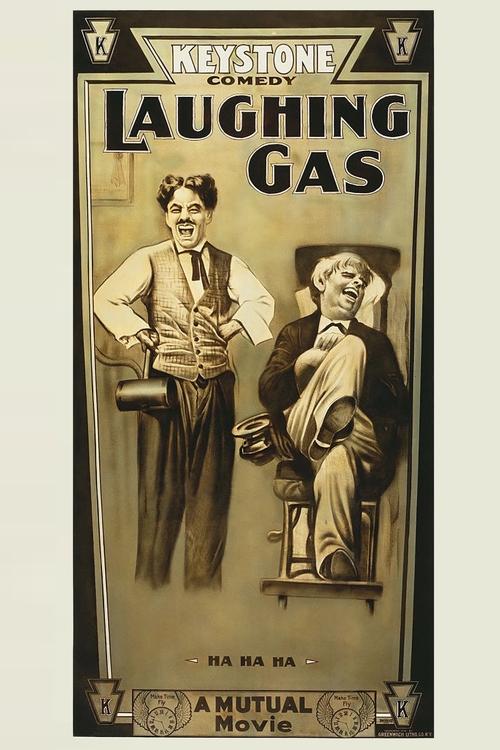
1914
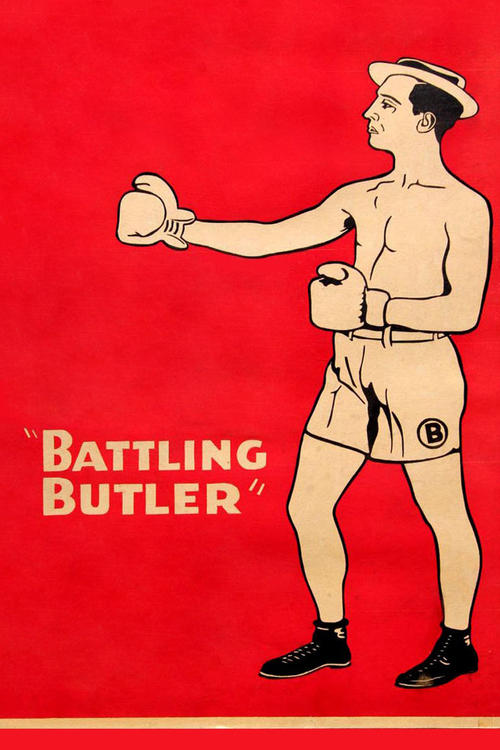
1926
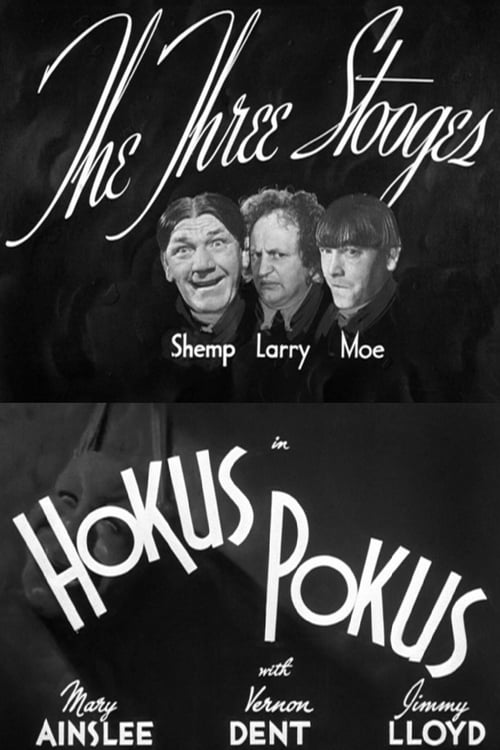
1949
1953
1916
1914
No reviews yet. Be the first to share your thoughts on this movie!
Use the rating form above to leave a star rating and optional review.