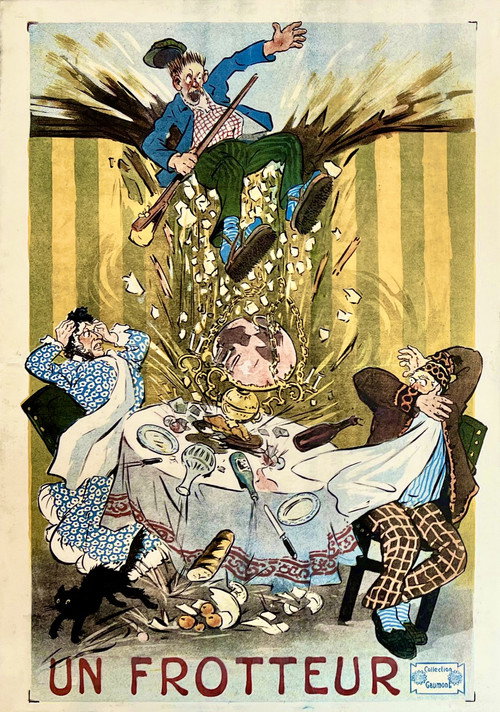
The Cleaning Man
1907
No user ratings available yet
Diversity score: 1.7 out of 10

1907
Director
Louis Feuillade, Alice Guy-Blaché
Runtime
4 minutes
Average Rating
No ratings yetSynopsis
An impecunious chap is unable to pay his rent, whereupon he is ejected, but all his furniture is retained and he is allowed to remove only his rolling bed. Pulling this a few blocks, he is exhausted and lies down on the bed to rest. He is soon the center of attraction, and the crowd continues to gather, when the police order him away, and as he refuses to move he is started off by the officers, who guide him for a time, but are forcibly deterred by indignant citizens from further interference. The impecunious man and his bed, which gains momentum as it runs down the inclines, cause much excitement en route, and finally arrive at the business center, where it comes to a stop alongside the walk. Our friend has purloined a fur coat and an auto horn on his tour, and now presents a modern chauffeur. (Gaumont catalogue)
Overall Score
Limited
Category Breakdown
LGBTQ+ Representation
The film contains no discernible LGBTQ+ characters or narratives. There is no evidence of non-cisnormative identities or critiques of heteronormativity within this 1907 production.
Gender Representation
Alice Guy-Blaché’s role as a pioneering female director disrupts traditional male-dominated hierarchies. However, the narrative focuses on a male protagonist and lacks nuanced female character studies.
Racial & Ethnic Diversity
The film features a homogeneous cast typical of early European production standards. There is no evidence of non-white representation or the use of race-bending.
Religious & Cultural Diversity
The story explores socioeconomic instability through an impoverished protagonist facing eviction. It depicts friction between an individual and state authority via slapstick comedy.
Disability Representation
There are no depictions of physical or neurodivergent disabilities. The physical comedy centers on kinetic movement and exhaustion rather than specific disability representation.
Strengths
Areas for Improvement
AI Analysis
The film's diversity profile is defined by its historical era and the significant presence of its director. Alice Guy-Blaché provides a vital layer of gendered agency by leading the production, even though the narrative itself remains centered on a male character's slapstick misfortunes. While the film touches on class through the protagonist's poverty and eviction, it lacks broader intersectional depth. The cast appears homogeneous, reflecting the standard demographic constraints of early 20th-century European cinema. Ultimately, the work functions as a snapshot of early genre conventions, offering more insight into the director's historical importance than into diverse character representation.
1907
1907

1915
1932
1923

1922
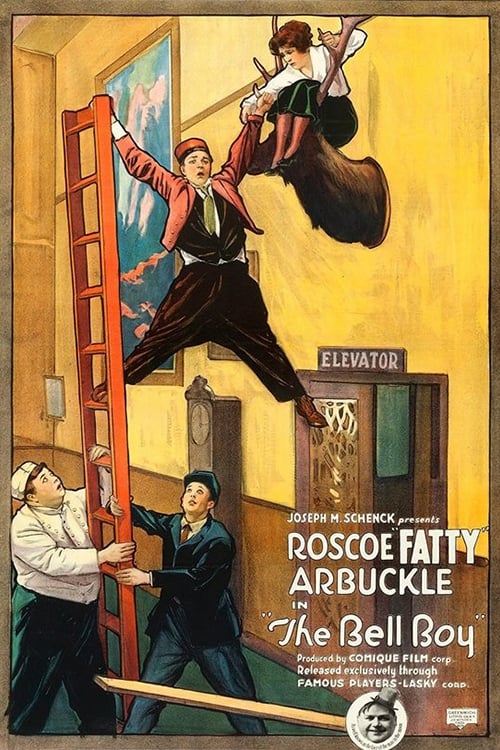
1918
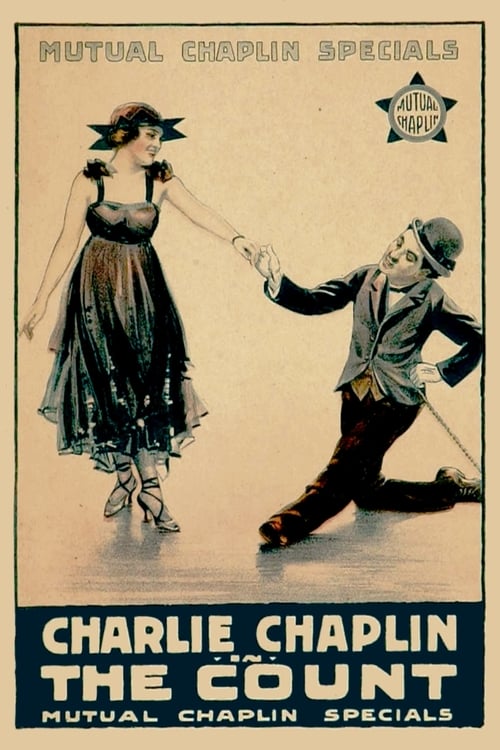
1916

1915
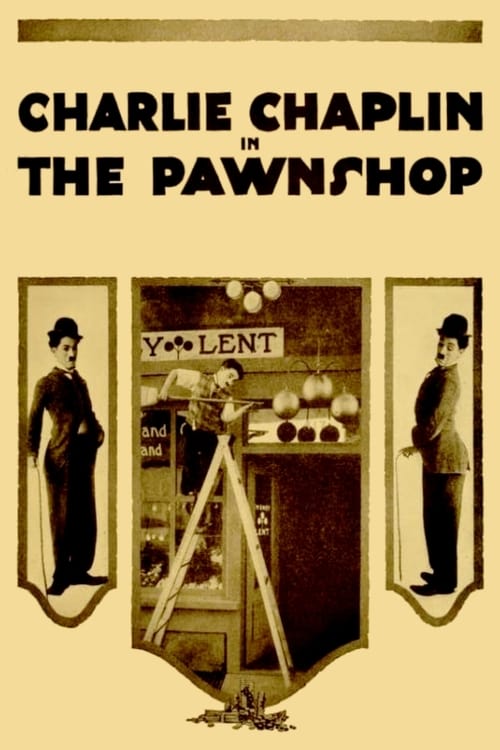
1916
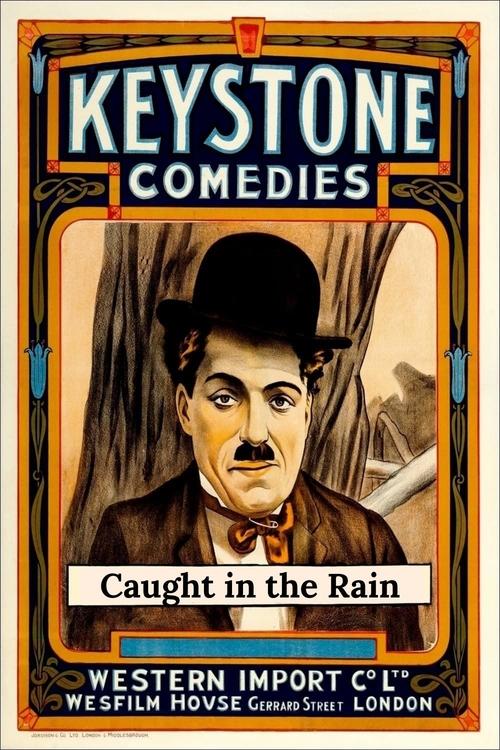
1914

1921
No reviews yet. Be the first to share your thoughts on this movie!
Use the rating form above to leave a star rating and optional review.