At the Photographer's
1900
No user ratings available yet
Diversity score: 1.3 out of 10
1898
Director
Alice Guy-Blaché, Gaston Breteau, Georges Hatot
Runtime
1 minutes
Average Rating
No ratings yetSynopsis
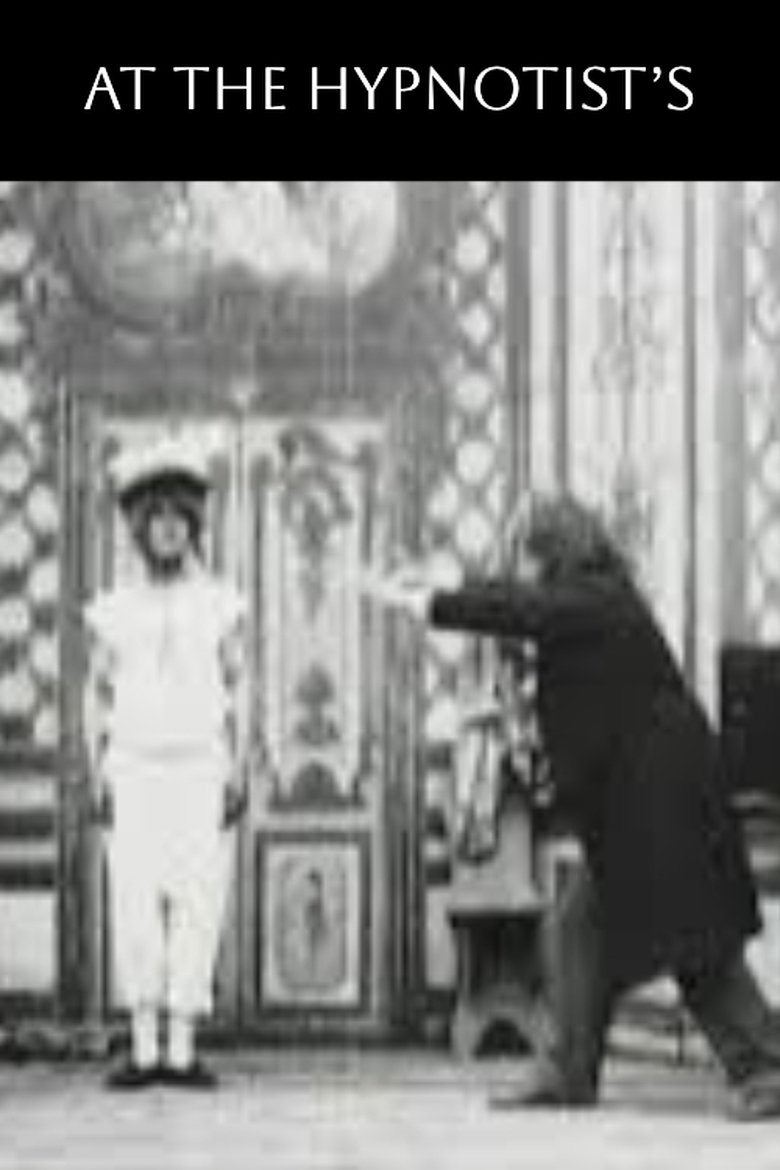
A hypnotist tricks his patients. There is no credited director for this film, although three different persons get attributed, Gaston Breteau, Alice Guy or Georges Hatot.
Overall Score
Limited
Category Breakdown
LGBTQ+ Representation
The film lacks any evidence of queer narratives or non-cisnormative identities. It operates within the standard social frameworks of the late 19th century without disrupting heteronormative structures.
Gender Representation
The on-screen content centers on a male hypnotist exercising influence over subjects. While Alice Guy-Blaché’s direction provides historical female agency, the narrative does not subvert traditional gender hierarchies.
Racial & Ethnic Diversity
The production adheres to the homogeneous demographic norms of early European cinema. There is no evidence of a non-white majority cast or intentional race-bent casting.
Religious & Cultural Diversity
Themes focus on stage magic and deception rather than institutional critique. The film functions as a standard comedic demonstration of skill, adhering to the conventional social mores of the period.
Disability Representation
Hypnosis is used as a comedic, performative tool rather than a way to explore neurodivergence. There is no progressive exploration of mental health or sensory experience.
Strengths
Areas for Improvement
AI Analysis
At the Hypnotist's is a product of the infancy of cinema, where intersectional representation was not yet a cinematic trope. The film's content remains aligned with the homogeneous social structures of the 1890s. While the film itself lacks diverse on-screen representation, the involvement of Alice Guy-Blaché is historically significant. Her presence as a director offers a meta-textual layer of female professional agency within the early film industry. Ultimately, the work functions as a simple comedic trick film. It lacks the narrative complexity required to address disability, race, or queer identities in a meaningful way.
1900
1930
1899
1905
1933
1906

1907
1905
1918
1914
1913
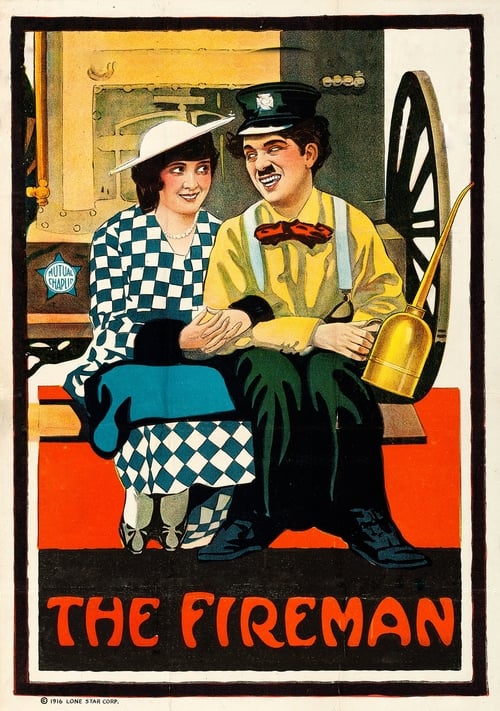
1916
No reviews yet. Be the first to share your thoughts on this movie!
Use the rating form above to leave a star rating and optional review.