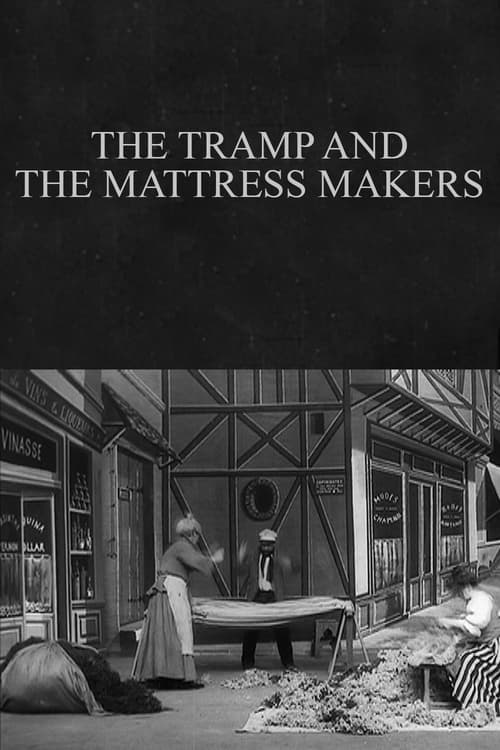
The Tramp and the Mattress Makers
1906
No user ratings available yet
Representation score: 3.4 out of 10
Representation Score
Limited
1906
Director
Georges Méliès
Runtime
3 minutes
Average Rating
No ratings yetNew Showbiz Analysis
Georges Méliès' early work prioritizes visual spectacle and the disruption of physical reality over social complexity. The film operates within the traditional comedic paradigms of 1906, focusing on individual misfortune and situational chaos. The narrative structure centers on a singular professional setting and a male-driven plot. This narrow focus results in a lack of diverse identities or intentional representation of varied social groups. Ultimately, the film serves as a foundational piece of cinematic history that favors theatrical artifice and slapstick humor over the exploration of nuanced human identities.
Category Breakdown
The film does not include any LGBTQ+ characters or explore non-straight relationships. The story revolves around situational humor rather than character development based on identity.
The story centers on a male photographer and his professional mishap. It does not offer much evidence of women's roles or challenge traditional gender hierarchies.
The production reflects the homogeneous social structures typical of early European cinema. There is no indication of a diverse or non-Anglo-Saxon cast.
The comedy functions as a localized tale of urban chaos. It does not engage with complex themes of secularism or systemic power dynamics.
Physical mishaps and clumsiness serve as comedic devices for chaos. However, characters do not have significant control over their situations, as physical vulnerability is used primarily for humor.
Present on Screen
Limited or Absent
Official Synopsis
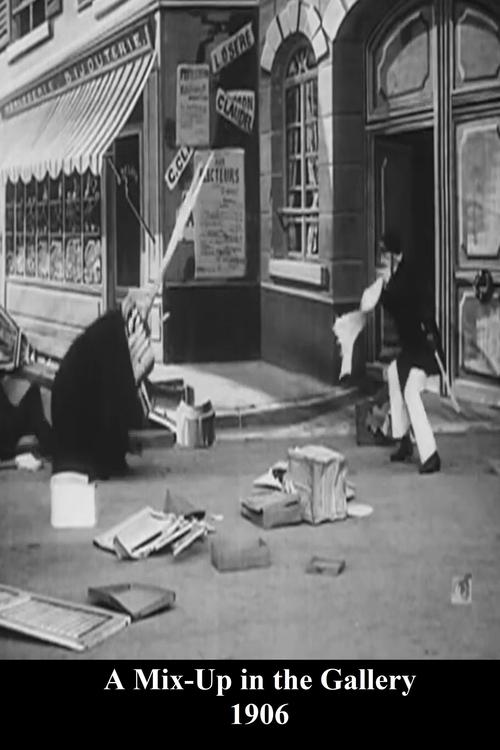
A photographer has an accident which not only screws up his lab but dumps a great deal of debris into the street below, causing general chaos.
1906
1900
1908
1905
1900
1900
1908

1903
No reviews yet. Be the first to share your thoughts on this movie!
Use the rating form above to leave a star rating and optional review.