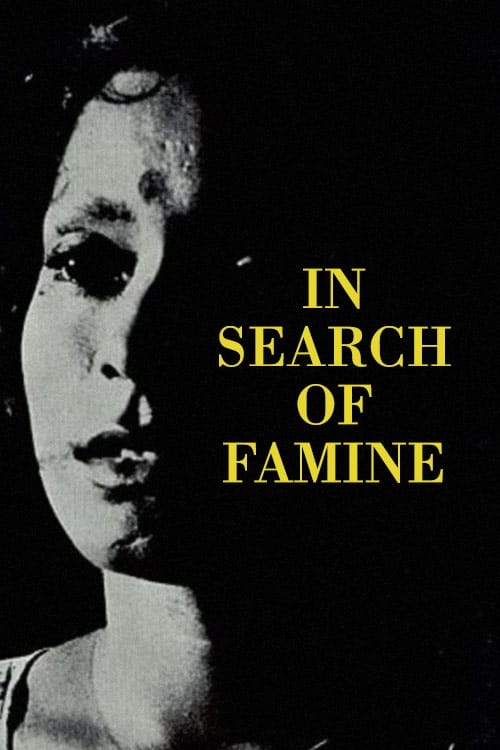
In Search of Famine
1981
No user ratings available yet
Diversity score: 7.4 out of 10
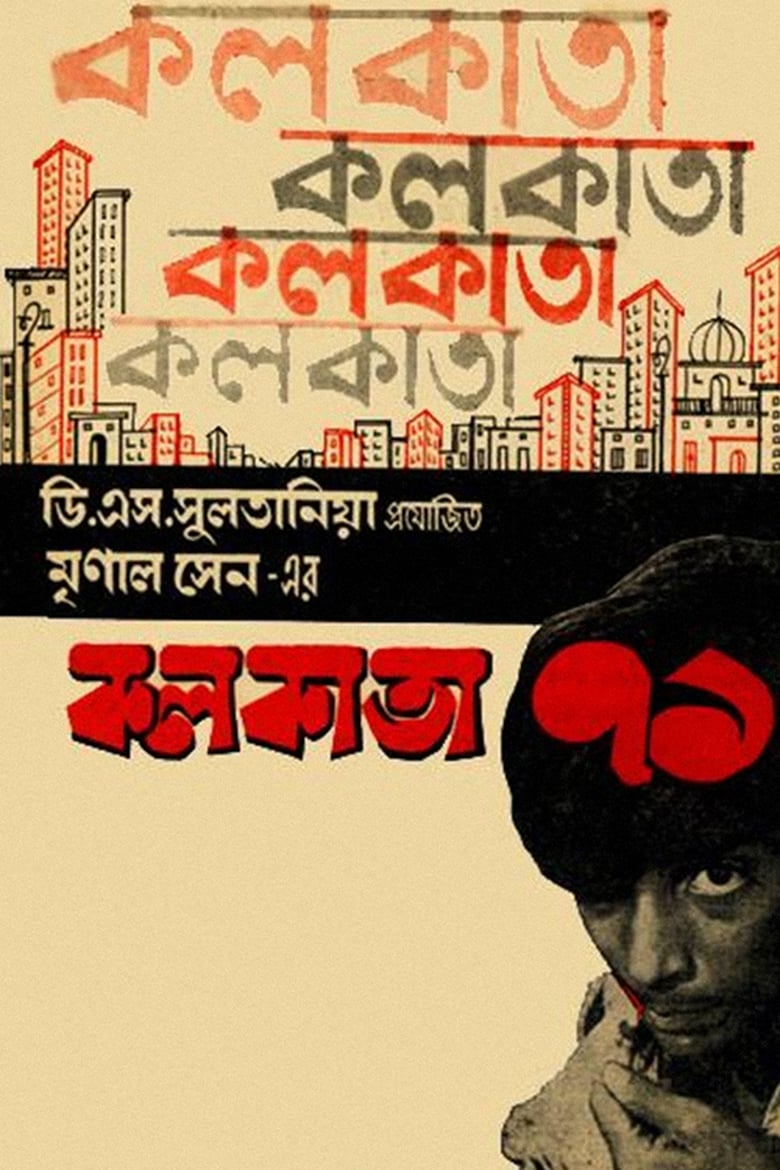
1972
Director
Mrinal Sen
Runtime
116 minutes
Average Rating
No ratings yetSynopsis
The spirit of a condemned 20-year-old student wanders through time, linking together four stories of people struggling for survival in this gritty meditation on poverty, natural disaster and political strife in India. A middle-class family's home is no match for the monsoons, while another clan's morality is compromised when famine strikes. Young boys smuggle rice, and politicians pity the poor while living in the lap of luxury.
Overall Score
Good
Category Breakdown
LGBTQ+ Representation
The film prioritizes macro-level socioeconomic struggles over individual romantic identities. While it lacks explicit queer agency, its focus on political struggle over traditional romantic hierarchies offers a departure from conventional tropes.
Gender Representation
Women are depicted as active navigators of urban crisis rather than submissive archetypes. The narrative subverts the stable homemaker trope by centering female resilience amidst systemic social collapse.
Racial & Ethnic Diversity
The film offers a layered, authentic depiction of the Indian experience across various socioeconomic strata. It avoids a homogenized view of the Global South, focusing instead on the complex realities of Kolkata.
Religious & Cultural Diversity
This work provides a profound critique of Western-aligned institutions and capitalist exploitation. It frames state authority as an oppressive system and embraces the moral complexities of political unrest.
Disability Representation
The narrative does not provide specific evidence regarding the portrayal of physical or neurodivergent disabilities. The focus remains on collective survival against famine and political strife.
Strengths
Areas for Improvement
AI Analysis
Mrinal Sen’s *Calcutta 71* is a powerful exercise in socio-political critique that rejects the polished, moralizing structures of mainstream cinema. Its primary strength lies in its post-colonial perspective and its refusal to present a sanitized view of society. By focusing on the intersectional struggles of the working class and the unemployed intelligentsia, the film achieves a high degree of cultural and racial authenticity. However, the film’s narrow focus on systemic and political upheaval results in a lack of representation for specific identities. There is no visible agency for LGBTQ+ characters or individuals with disabilities, which limits the scope of its inclusivity. Ultimately, the film succeeds as a deconstruction of power and oppression. It trades traditional character tropes for a gritty, systemic analysis of how famine, monsoon, and political instability shape the human condition in a fractured reality.
1981

1979
1982

1971
1999
2023

1963
1998
2022

1990
1988
1962
No reviews yet. Be the first to share your thoughts on this movie!
Use the rating form above to leave a star rating and optional review.