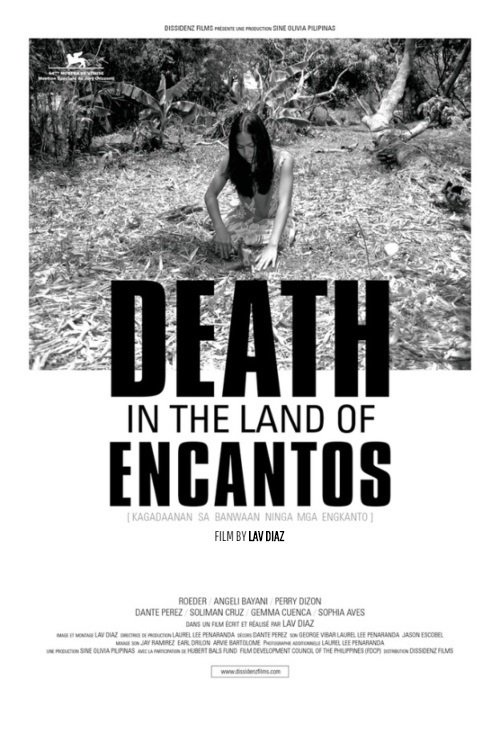
Death in the Land of Encantos
2015
No user ratings available yet
Representation score: 6.7 out of 10
Representation Score
Good
2004
Not RatedDirector
Lav Diaz
Runtime
625 minutes
Average Rating
No ratings yetNew Showbiz Analysis
Lav Diaz presents a profound exploration of Filipino identity by focusing on the socio-political landscape of the Marcos era. The film disrupts Western-centric storytelling norms and offers an authentic post-colonial perspective. While it excels in ethnic and cultural authenticity, it lacks LGBTQ+ and disability representation. The focus remains on the socioeconomic and patriarchal structures of a rural farming family. Ultimately, the film's strength lies in its critique of systemic power through the lens of domestic survival.
Category Breakdown
The film centers on a traditional farming family and does not include any queer narratives or non-cisgender identities.
Women are shown through their domestic roles and psychological resilience during political turmoil. They remain within traditional patriarchal structures.
The film offers an authentic, non-Western perspective by focusing on a Filipino cast. It uses the local setting to explore post-colonial themes and ethnic ability to act effectively.
The narrative critiques systemic oppression and traditional power structures. It highlights the impact of authoritarian rule and greed on family survival.
The story depicts the physical and psychological impacts of poverty and conflict. However, it does not specifically represent characters with disabilities.
Present on Screen
Limited or Absent
Official Synopsis
Spanning from 1971 to 1987, in rural areas under the Marcos regime, a poor farming family struggle to overcome challenges brought on by corruption and greed for power.
2015
1963
1994
1960
2009

2020
1995
2008
No reviews yet. Be the first to share your thoughts on this movie!
Use the rating form above to leave a star rating and optional review.