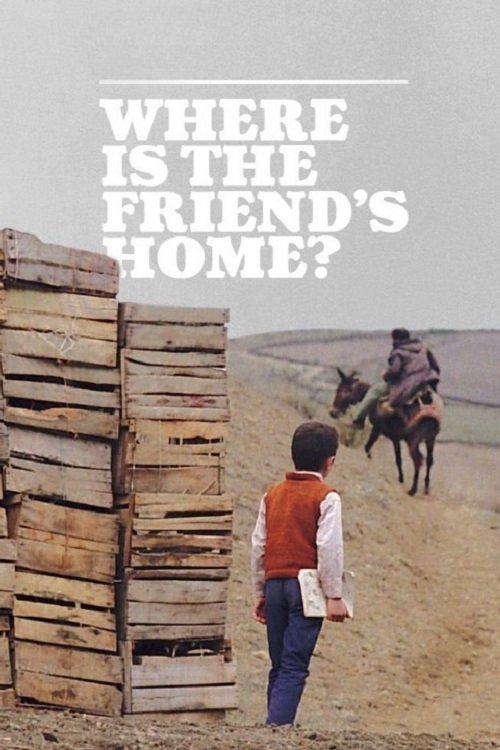
Where Is The Friend's House?
1987
No user ratings available yet
Representation score: 3.4 out of 10
Representation Score
Fair
1992
Not RatedDirector
Abbas Kiarostami
Runtime
95 minutes
Average Rating
No ratings yetNew Showbiz Analysis
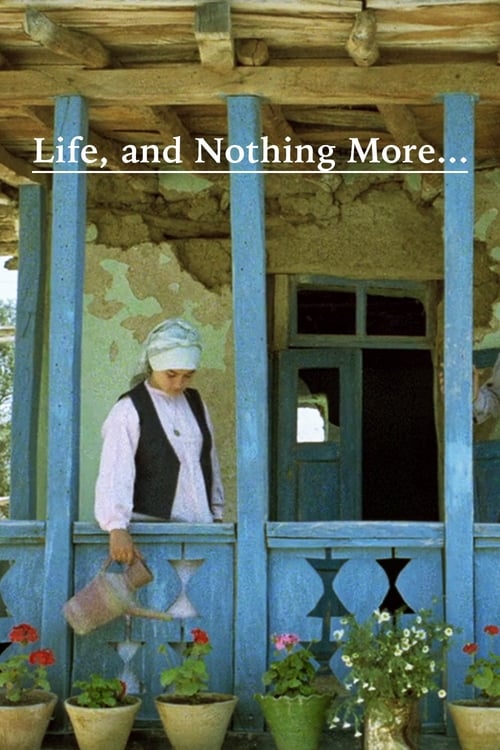
Life, and Nothing More... excels in authentic, localized representation by using a non-professional, local cast from the affected region. This approach avoids the artificiality of mainstream casting and centers the lived experiences of the Iranian working class. However, the film is constrained by the traditional social structures of its setting. The narrative remains heavily male-centric, and the lack of LGBTQ+ identities or explicit disability representation reflects the cultural and temporal limitations of the work. Ultimately, the film's strength lies in its humanist exploration of truth and its ability to elevate underrepresented voices through a documentary-style realism.
Category Breakdown
The film does not include any LGBTQ+ characters or narratives. The story focuses solely on the relationship between the filmmaker and his subjects in a traditional rural setting.
The narrative is primarily driven by male perspectives, particularly the director and a young boy. Gender roles are depicted through traditional domestic roles within an Iranian social context.
Kiarostami employs a predominantly local, non-professional cast to ensure authentic representation. This approach centers the Iranian working class and avoids Western-centric casting practices.
The film adopts a self-reflexive style emphasizing subjective experience over objective truth. It highlights community resilience in the aftermath of a disaster, offering a humanist perspective.
The film does not explicitly focus on physical or neurodivergent disabilities. However, it provides a nuanced look at the collective psychological trauma following a natural disaster.
Present on Screen
Limited or Absent
Official Synopsis
After the earthquake of Guilan, a film director and his son travel to the devastated area to search for the actors from the movie the director made there a few years previously. In their search, they see how people who have lost everything in the earthquake still have hope and try to live life to the fullest.
1987

1995

1997
2018

2016
2015
2018
1999
No reviews yet. Be the first to share your thoughts on this movie!
Use the rating form above to leave a star rating and optional review.