
The Outsider
1977
No user ratings available yet
Representation score: 4.2 out of 10
Representation Score
Good
1979
Director
Mrinal Sen
Runtime
95 minutes
Average Rating
No ratings yetNew Showbiz Analysis
Mrinal Sen’s work offers a nuanced exploration of overlapping vulnerabilities. By positioning a woman as the economic pillar of her family, the film upends traditional domestic hierarchies and questions the male-centric financial dominance of the time. The film excels in its cultural specificity, delving into the post-colonial middle-class experience. It moves beyond simplistic melodrama to examine how economic instability and societal morality intersect to affect individuals. While the film provides strong gender and cultural perspectives, it lacks explicit representation of LGBTQ+ identities or characters with disabilities. The narrative remains centered on the socio-economic tensions within the central family unit.
Category Breakdown
The narrative focuses on the economic and moral crises of a middle-class family. There is no explicit evidence regarding non-assuming gender matches what was assigned at birth identities or queer narratives within the primary plot.
The film highlights the economic and moral struggles of a middle-class family while focusing on a female protagonist as the primary breadwinner. Her disappearance shifts the narrative towards female resilience and the systemic challenges faced by women in the workforce.
Set within the context of Indian Parallel Cinema, the film presents a non-Western perspective. It explores the life of a middle-class family within a post-colonial framework, avoiding typical Western cinematic clichés.
The film critiques the economic and moral constraints imposed by society. It frames the struggle for survival as a central human experience rather than a moral failing, emphasizing systemic issues.
The synopsis does not mention characters with visible or invisible disabilities. While themes of despair may relate to mental health, there is no specific information provided.
Present on Screen
Limited or Absent
Official Synopsis
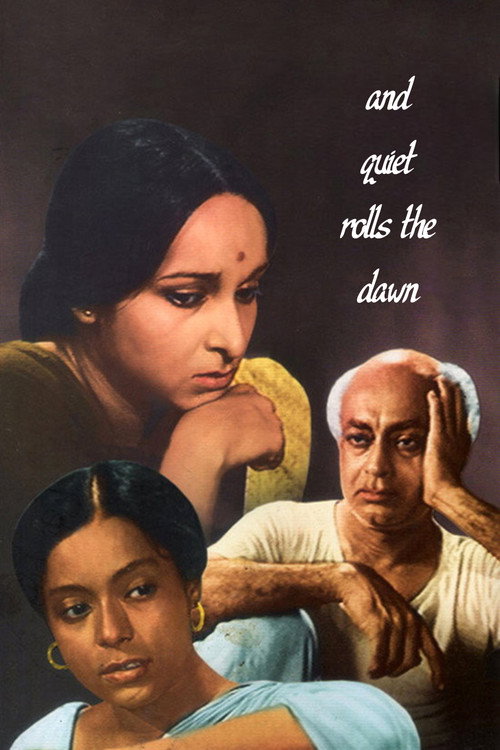
The bread-winning daughter in a middle-class family fails to return from work one evening. The saga begins with worries at home, followed by midnight searches and finally a deepening crisis arising out of economic and moral constraints prevalent in the society. Yet the film speaks of hope and of strength hidden behind despair.
1977
1957
1989

1963

1977

2005

1971

1974
No reviews yet. Be the first to share your thoughts on this movie!
Use the rating form above to leave a star rating and optional review.