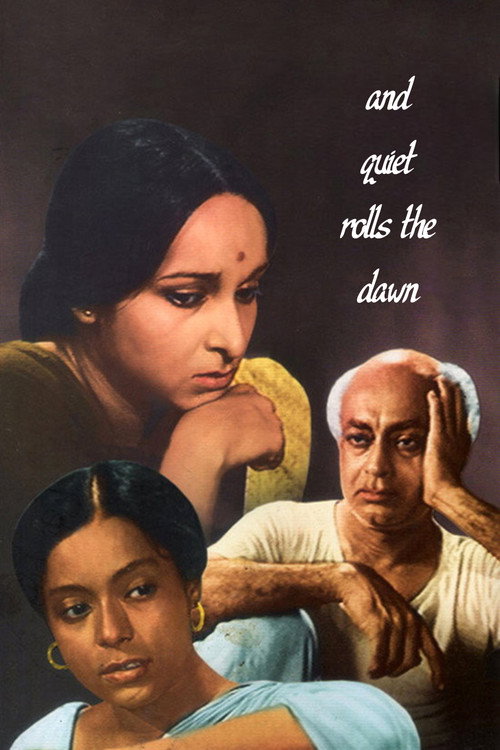
Ek Din Pratidin
1979
No user ratings available yet
Representation score: 6.5 out of 10
Representation Score
Limited
1971
Director
Mrinal Sen
Runtime
81 minutes
Average Rating
No ratings yetNew Showbiz Analysis
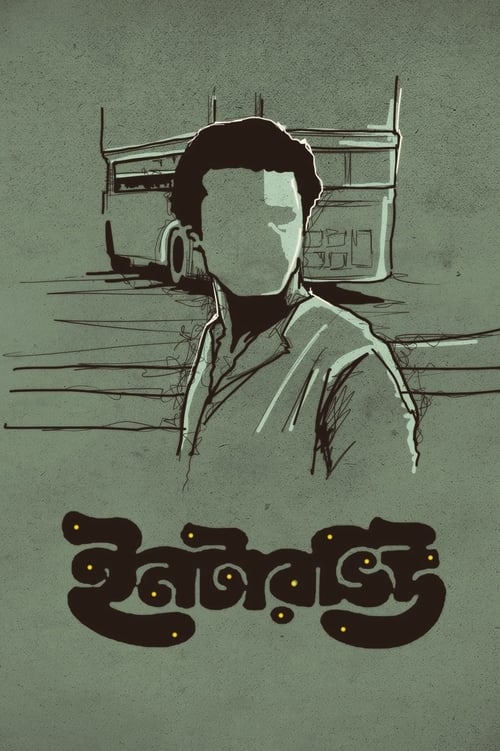
Mrinal Sen’s *Interview* is a powerful post-colonial critique that prioritizes class-based identity politics over individual demographic representation. The film excels at highlighting the friction between Westernized professional aesthetics and the lived reality of the urban proletariat in Calcutta. While the film lacks engagement with LGBTQ+ or disability narratives, it achieves high marks for its authentic cultural and ethnic grounding. It avoids exoticization, instead focusing on the systemic failures of post-independence institutions. Ultimately, the work's value lies in its intellectual depth and its refusal to adopt a colonial lens, making it a seminal piece of social commentary despite its narrow focus on gendered spaces.
Category Breakdown
The film does not include any LGBTQ+ characters or narratives. The story focuses solely on class struggle and political discourse, ignoring non-straight identities.
Political and intellectual spaces are shown as predominantly male-dominated. Women are present but do not serve as central figures in driving the plot or the main conflict.
The film offers an authentic portrayal of the Bengali demographic. It avoids a Western perspective by centering the narrative on local urban experiences and post-independence Indian identity.
The narrative provides a nuanced critique of Western-aligned institutions and political elites. It emphasizes anti-establishment sentiments, contrasting official truths against the material realities of the working class.
There is no significant depiction of physical or neurodivergent disabilities within the primary narrative arc.
Present on Screen
Limited or Absent
Official Synopsis
A young Indian man has been assured by an uncle that all he needs to land a lucrative job is to show up to the interview in a Western style suit, but the morning of the interview is fraught with unexpected difficulties.
1979
1959
1970

1961
1975
2004
1976
1993
No reviews yet. Be the first to share your thoughts on this movie!
Use the rating form above to leave a star rating and optional review.