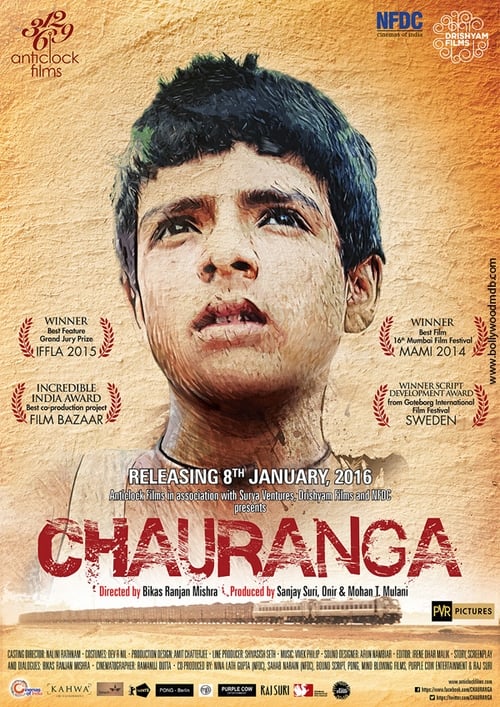
Chauranga
2016
No user ratings available yet
Representation score: 7.1 out of 10
Representation Score
Good
2006
Director
Rajnesh Domalpalli
Runtime
111 minutes
Average Rating
No ratings yetNew Showbiz Analysis
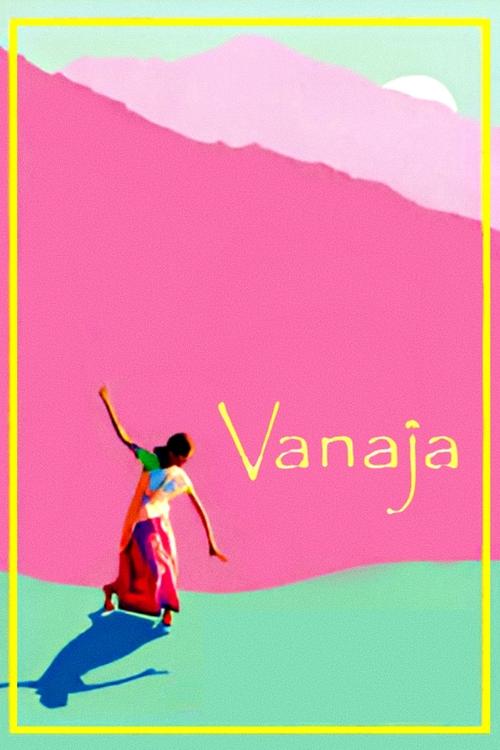
Vanaja is a sophisticated character study that rejects mainstream cinematic clichés of heroism. It succeeds by using a realist framework to examine how systemic structures, such as caste and gendered expectations, impact individual lives. The film's strength lies in its refusal to sanitize social hierarchies. By focusing on the specifics of regional ethnicity and the complexities of widowhood, it offers a deeply authentic look at South Indian life. However, the film's scope is limited regarding certain identities. It lacks representation for LGBTQ+ individuals and does not address disability, focusing instead on the intersections of class and social status.
Category Breakdown
The film does not include any LGBTQ+ characters or explore non-traditional gender identities. The story focuses on interpersonal and systemic issues in rural Andhra Pradesh.
The story challenges traditional gender roles by centering on a female-led household. It highlights the resilience and intellectual independence of women, particularly through the protagonist and her widowed mother.
The film provides an authentic portrayal of South Indian identity, avoiding typical Bollywood clichés. It uses the protagonist's journey to reveal the nuanced realities of ethnic and class-based divisions.
The narrative critiques traditional social institutions and the oppressive nature of community expectations. It avoids simplistic morality, presenting characters as products of a rigid social order.
The film does not significantly focus on visible or invisible disabilities. It prioritizes socioeconomic and social vulnerabilities over physical or neurological representation.
Present on Screen
Limited or Absent
Official Synopsis
In rural South India, 15 year old Vanaja goes to work for the local Landlady in hopes of learning Kuchipudi Dance. Initial chemistry with the Landlady's son turns ugly, pitching her into a battle of Caste and Animus.
2016
2017
2013

2005
2019
2004
2020
2017
No reviews yet. Be the first to share your thoughts on this movie!
Use the rating form above to leave a star rating and optional review.