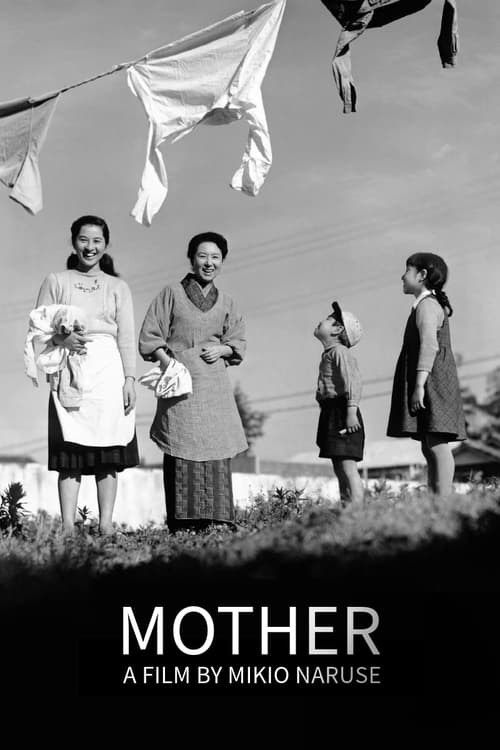
Mother
1952
No user ratings available yet
Representation score: 3.9 out of 10
Representation Score
Fair
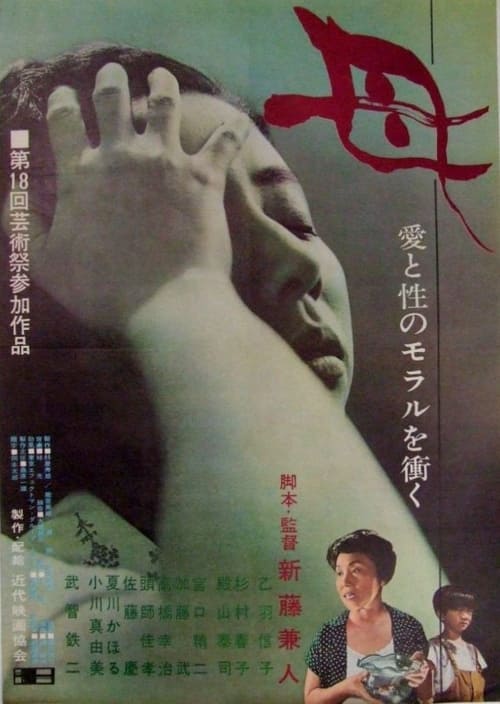
1963
Director
Kaneto Shindō
Runtime
100 minutes
Average Rating
No ratings yetNew Showbiz Analysis
Mother is a character-driven drama that prioritizes women's ability to drive the story within a rigid social framework. By centering the plot on a woman's sacrificial decisions, the film challenges conventional patriarchal hierarchies despite its traditional setting. The film provides an authentic depiction of rural Japanese life, avoiding Westernized stereotypes through its focus on local economic and social struggles. Ultimately, the work explores complex situational ethics, using the protagonist's struggle against communal judgment to highlight the pressures faced by the agrarian class.
Category Breakdown
The film does not include any LGBTQ+ characters or narratives. It focuses solely on traditional family structures and reproductive roles.
The story challenges traditional gender roles by highlighting the female protagonist's endurance and decision-making. She drives the narrative's moral direction.
The cast is culturally uniform, reflecting the historical Japanese setting. It avoids exotic stereotypes by focusing on authentic, local economic and social conditions.
The narrative critiques strict social institutions and communal judgment. It examines how systemic poverty and traditional social orders affect the vulnerable.
The film addresses illness and the fragility of life through the son's condition. It avoids using disability as a plot device or subject of ridicule.
Present on Screen
Limited or Absent
Official Synopsis
A divorced woman enters a marriage arranged by her mother in exchange for money to save the life of her seriously ill son.
1952
1962
1951
1949
1963
1993

1948

1936
No reviews yet. Be the first to share your thoughts on this movie!
Use the rating form above to leave a star rating and optional review.