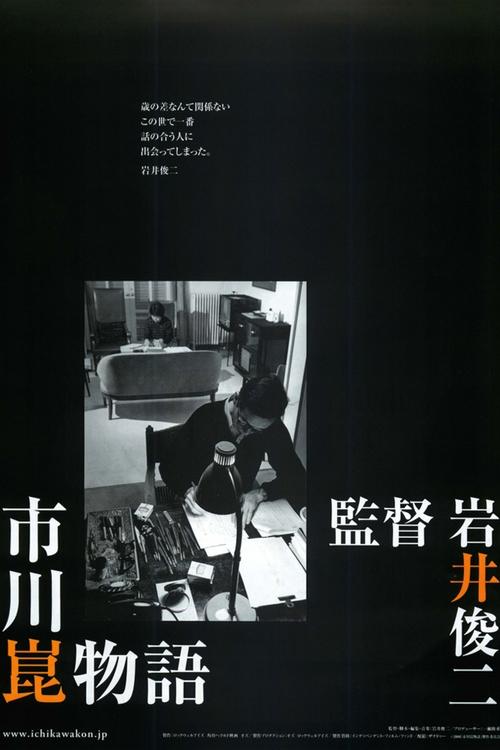
The Kon Ichikawa Story
2006
No user ratings available yet
Representation score: 3.9 out of 10

Representation Score
Excellent
1965
Director
Chris Marker
Runtime
46 minutes
Average Rating
No ratings yetNew Showbiz Analysis
Chris Marker’s work stands out by avoiding Western-centric biographical clichés. By centering a Japanese woman navigating complex cultural intersections, the film provides a deep, non-exotic exploration of identity and displacement. The film’s strength lies in its intellectual depth, particularly regarding gender and race. It elevates the female protagonist's internal life above social utility, creating a sophisticated study of post-colonialism and modern fragmentation. However, the abstract and impressionistic nature of the film limits explicit representation. While the narrative structure suggests fluidity in identity and cognition, specific depictions of queer intimacy or clinical disability are missing.
Category Breakdown
The film uses an impressionistic framework that challenges traditional expectations about biographies. Though it doesn't show explicit romantic relationships between people of the same sex, it focuses on an internal world that allows for a flexible sense of identity.
Koumiko’s thoughts and reflections on life and existence drive the story. By emphasizing her personal consciousness rather than her role in society or her relationships with men, the film successfully challenges traditional gender roles.
The film offers a nuanced look at identity through a Japanese woman with Manchurian roots and a French education. It avoids making her seem exotic, instead using her displacement to explore modern life.
The narrative explores the tension between traditional Japanese culture and Western modernity. It breaks down nationalistic identity, focusing on the instability of the self in a rapidly changing urban environment.
The film explores cognitive fragmentation and disorientation through its non-linear structure. While no specific clinical disability is mentioned, the narrative reflects profound psychological or neurodivergent states of mind.
Present on Screen
Limited or Absent
Official Synopsis
Koumiko Muraoka, a young Japanese woman born in Manchuria and educated in France, wanders through Tokyo while she reflects on identity, memory, and what it means to be Japanese in a rapidly changing world.
2006

1985

1988

1983

1985
1956

1994

1966
No reviews yet. Be the first to share your thoughts on this movie!
Use the rating form above to leave a star rating and optional review.