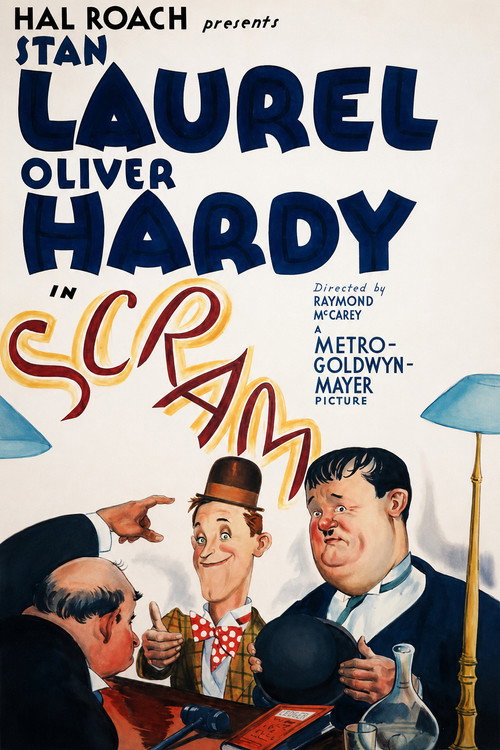
Scram!
1932
No user ratings available yet
Representation score: 1.4 out of 10
No Poster Available
Representation Score
Limited
1935
ApprovedDirector
Ben Holmes
Runtime
18 minutes
Average Rating
No ratings yetNew Showbiz Analysis
Hit and Rum is a product of its time, characterized by a narrow demographic focus and traditional comedic archetypes. The film operates within the conventional social hierarchies of 1930s cinema, offering little in the way of diverse perspectives. The narrative is driven by male-centric slapstick humor and situational farce, resulting in a limited social scope and a lack of diverse viewpoints. While the film touches on psychological instability through Lew Kelly's delusions, it uses these traits primarily for comedic effect, prioritizing humor over nuanced representation.
Category Breakdown
The film centers on three male characters and does not include any non-assuming gender matches what was assigned at birth identities or same-sex relationships.
The story focuses entirely on male characters and relies on male-driven slapstick humor, which leaves little room for female characters to take control of the narrative.
The film likely reflects the homogeneous casting norms of the mid-1930s, with no indication of a diverse cast beyond Anglo-Saxon actors.
Themes of intoxication and disrupted legal authority are used as comedic devices, framing the chaos as situational farce rather than a critique of societal structures.
Lew Kelly's delusions of grandeur touch on neurodivergence, but the film uses this condition primarily as a comedic cliché rather than a nuanced portrayal.
Present on Screen
Limited or Absent
Official Synopsis
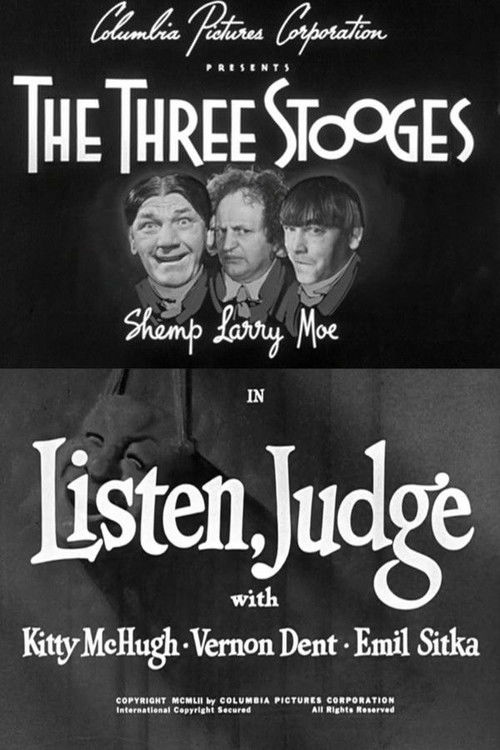
Lew Kelly is a walking cuckoo-clock who thinks he is a judge. Leon and Eddie are two drunks who think they are drivers. They crash together, and Lew gets trapped in the middle. Leon and Eddie finally come to terms and leave Lew amidst the wreckage. The next day, Leon answers a court summons, only to find that Lew is the presiding judge, after sneaking in and taking over the job as the regular judge is absent.
1932
1936
1935
1943
1929
1924
1943
1952
No reviews yet. Be the first to share your thoughts on this movie!
Use the rating form above to leave a star rating and optional review.