In a Pig's Eye
1934
No user ratings available yet
Representation score: 1.3 out of 10
Representation Score
Minimal
1934
ApprovedDirector
Ben Holmes
Runtime
20 minutes
Average Rating
No ratings yetNew Showbiz Analysis
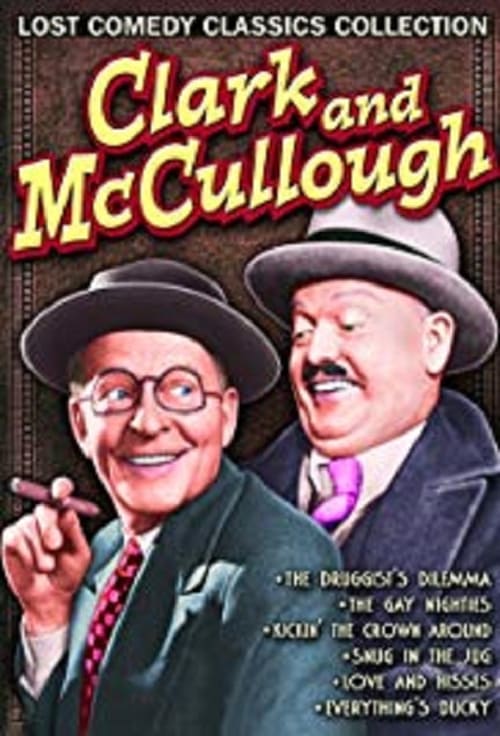
Everything's Ducky is a period-specific slapstick comedy that operates within the established clichés of the mid-1930s. The film focuses on the physical comedy of Bobby Clark and Paul McCullough as they sell cookware, prioritizing chaotic humor over social commentary. The production lacks intentionality regarding the representation of multiple aspects of identity. It functions as a standard comedic framework of its era, offering little to disrupt traditional social hierarchies or provide meaningful visibility for underrepresented groups. Ultimately, the film is a product of its time, reflecting the homogeneous and male-centric entertainment norms of the early 1930s.
Category Breakdown
The film does not engage with LGBTQ+ identities or non-binary gender narratives. It adheres strictly to the social norms of 1934.
The story centers on a male comedic duo performing slapstick. There are no women in positions of authority or subversion of gender hierarchies.
The film reflects the homogeneous casting norms of early 1930s American comedy. It lacks specific character descriptions indicating a diverse cast.
The narrative supports conventional social interactions and traditional capitalist structures. It offers no deconstruction of Western institutions or secularist themes.
There is no evidence of characters with visible or invisible disabilities. The film does not use disability as a plot device.
Present on Screen
Limited or Absent
Official Synopsis
Bobby Clark and Paul McCullough take to the streets as pots and pans salesmen, wreaking havoc door to door with their demonstrations of their cookware.
1934
1931
1935
1947
1938
1952
1929
1930
No reviews yet. Be the first to share your thoughts on this movie!
Use the rating form above to leave a star rating and optional review.